Main Takeaways
- Energy-based devices like RF and at-home laser create controlled thermal injury, so they need recovery time between sessions, similar to how retinol needs rest nights
- Microcurrent works through muscle stimulation rather than injury, making it more tolerant of frequent use, though overstimulation can still cause fatigue
- LED is the gentlest of the group and generally the most forgiving of daily use
- Mechanical tools such as facial rollers, massage guns, gua sha, or cleansing brushes carry the lowest overuse risk overall
- There’s no particular research on “beauty device cycling” as its own concept. This blog applies established skin-recovery science to a newer question
Dermatologists have spent the last few years telling everyone to slow down with retinol and exfoliating acids. Skin cycling exists because using powerful actives every single night stresses skin without giving it a chance to recover. So here’s a question we haven’t seen asked much: if that logic applies to serums, why wouldn’t it apply to (home-use) LED masks, RF, laser, and microcurrent devices too? We looked into what’s happening beneath the skin during a device session, and whether pushing daily use is quietly working against you.
What Skin Cycling Teaches Us About Recovery
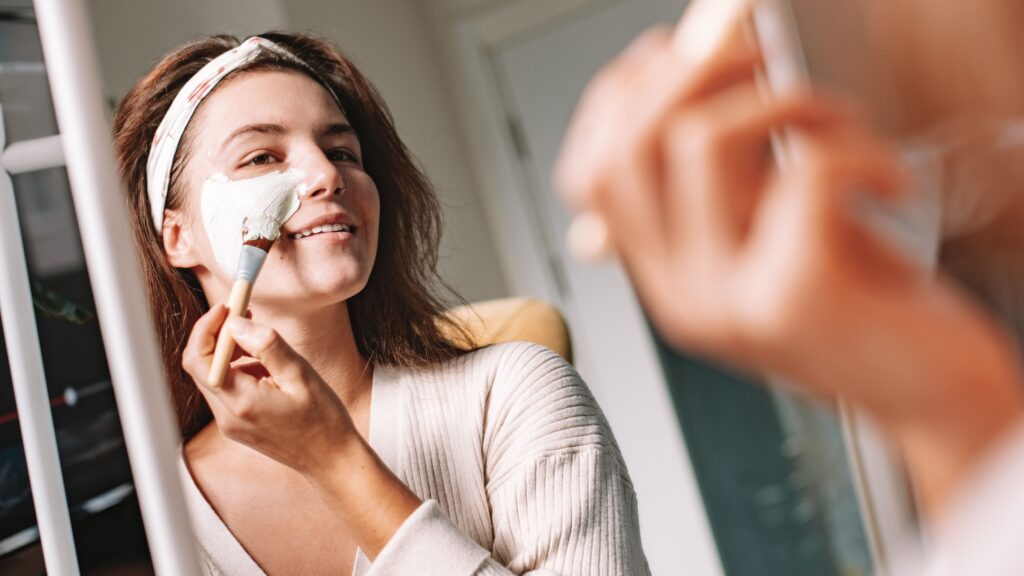
Skin cycling follows a simple four-night rhythm: one night of exfoliation, one night of retinoid, then two nights focused purely on hydration and barrier repair. Dermatologist Whitney Bowe popularized the routine, and the reasoning behind it is straightforward. Actives work by creating a small amount of controlled stress on skin cells, prompting turnover and renewal. Do that every night without a break, and the stress outpaces the repair, leading to dryness, irritation, or a compromised skin barrier.
The two recovery nights aren’t just filler. They’re the point where skin actually does the rebuilding work that the active nights triggered. Skip the recovery step, and you’re essentially asking skin to keep responding to stress without ever finishing the repair cycle from the last round. Over time, that gap between stress and repair is what turns a helpful routine into one that backfires, showing up as flaking, redness, or a face that suddenly reacts to products it tolerated fine a few weeks earlier.
This pattern of stress followed by rest is worth remembering, because it’s basically the exact mechanism behind most of the beauty devices (that we’ve covered before). Collagen-building devices in particular rely on the same biological sequence: a deliberate disruption, followed by a window of time where the actual repair happens. Shorten that window, and the process gets interrupted partway through rather than helped along.
The Same Logic Behind Skin Cycling, Applied to Devices
Energy-based devices: at-home RF, laser or IPL
At-home RF, laser or IPL tools rely on electromagnetic or light energy that converts to heat at a targeted depth, creating a controlled thermal injury that prompts fibroblasts to rebuild collagen over the following weeks. That rebuilding process isn’t instant. Clinical timelines for RF microneedling show collagen remodeling continuing for four to twelve weeks after a single session, which is why professional clinicians typically space treatments four to six weeks apart rather than back to back. At-home laser and IPL devices follow a similar principle, though recovery windows vary by device strength and settings. Running any of these tools daily, or even multiple times a week, may interrupt the remodeling process before it finishes.
Electrical stimulation devices: microcurrent
Microcurrent works differently from RF or laser. Instead of creating a thermal injury, it delivers a low-level electrical current that stimulates facial muscles directly, similar to EMS and TENS. Because there’s no injury-and-repair cycle involved, microcurrent tends to tolerate more frequent use than energy-based devices. Still, muscles can still experience fatigue from overstimulation, and more sessions may not lead to faster or better toning results.
Light-based devices: LED
LED works through photobiomodulation, which doesn’t create any type of tissue injury. This is why LED is generally considered safer for frequent, even daily, use compared to other devices. Still, gentler doesn’t mean limitless. Skin can become irritated from overstimulation regardless of the mechanism, and there isn’t strong evidence that doubling or tripling session frequency speeds up results beyond a certain point. If anything, consistency over weeks appears to matter more than cramming in extra sessions during a single week.
Mechanical tools: rollers, massage guns, gua sha, and cleansing brushes
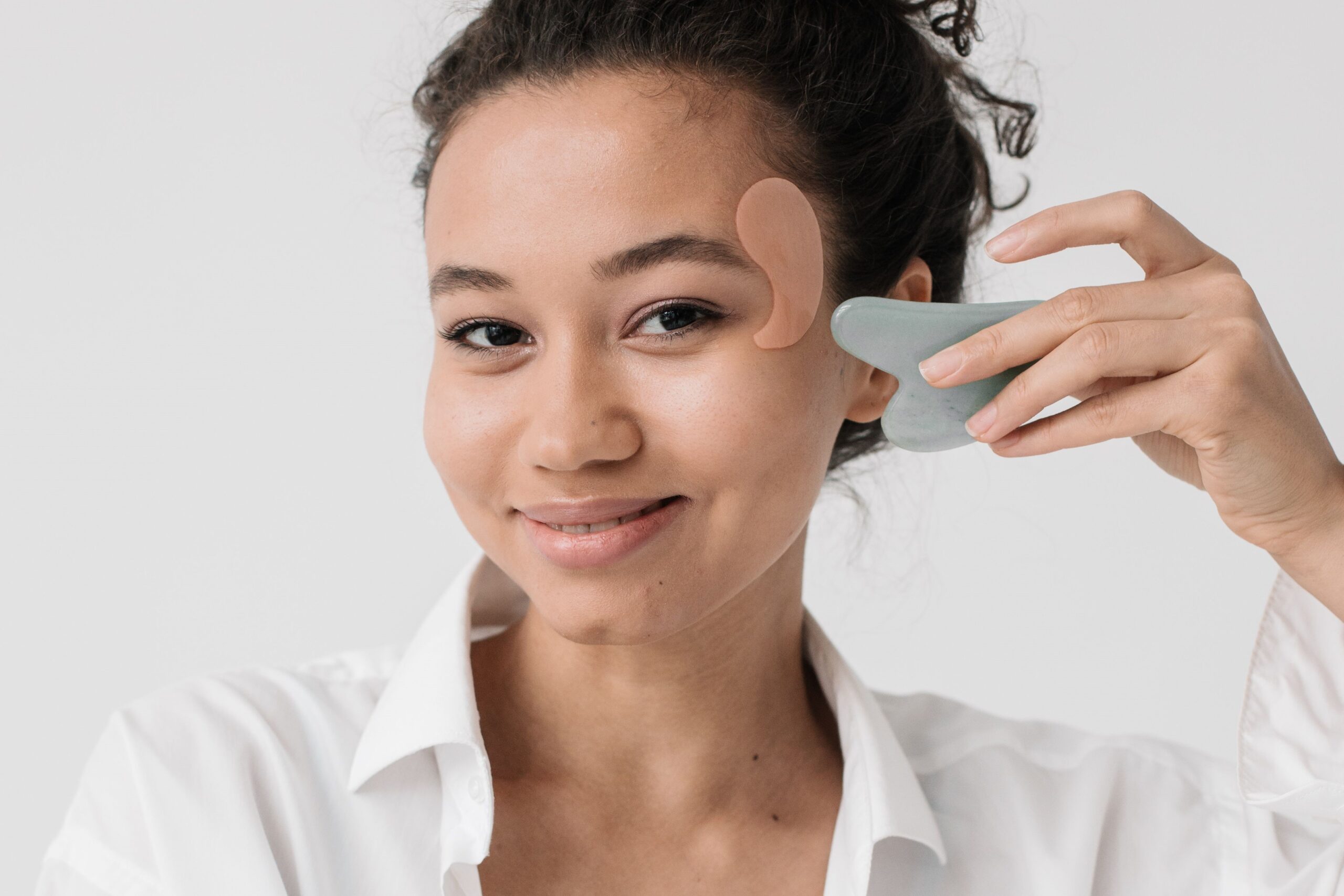
This category covers a wide range of tools we’ve covered or reviewed, including gua sha, jade and ice rollers, facial massage guns, and cleansing devices like silicone and nylon brushes. These carry the lowest overuse risk of the bunch since they work through massage and mild mechanical stimulation rather than injury-based repair. That said, pressing too hard, cleansing too frequently, or overusing massage tools on already-irritated skin can still cause friction damage or unnecessary sensitivity, especially around delicate areas like under the eyes.
Signs You’re Overdoing It
Whether the culprit is a nightly retinol or a daily RF session, overuse tends to show up in familiar ways:
- Redness that lingers longer than it used to after the same routine
- New sensitivity to products or treatments that never bothered your skin before
- Breakouts appearing in areas you don’t normally struggle with
- A tight, dry, or uncomfortable feeling that wasn’t there before you increased frequency
- Results plateauing or reversing even though you’re doing more, not less
These are the same red flags dermatologists point to when discussing a damaged skin barrier from overusing actives, and there’s no reason skin would respond differently just because the stressor is a device instead of a serum. If any of these symptoms show up, the fix usually isn’t a new product or a different device setting. It’s simply backing off frequency for a week or two and letting skin catch up.
A Simple Device-Cycling Guide
Since there isn’t a formal protocol for this yet, treat this as a reasonable starting point rather than a fixed rule. Reserve energy-based devices like at-home RF or laser for fewer sessions per week, leaving several days between each to let the remodeling process run its course. Microcurrent can fit into a more frequent rotation, several times a week for most people, since it doesn’t involve injury repair. LED tolerates the most frequent use and can often be used daily without issue. Mechanical tools like rollers or cleansing brushes can generally be used daily as long as skin isn’t already irritated or reacting to something else in the routine. Just like skin cycling itself, the plan should flex based on how skin actually responds, not a fixed routine followed rigidly regardless of your skin condition.
Q&A
Can you use LED every day?
For most people, yes. LED’s mechanism is gentle enough for frequent use, though it’s still worth watching for irritation if you’re combining it with other treatments.
Does overusing a beauty device cause permanent damage?
It’s uncommon, but persistent irritation or repeated thermal stress without adequate recovery time could plausibly compound over time, similar to chronic over-exfoliation.
Can you combine skin cycling with device cycling in the same routine?
Yes, and it may even make sense to align them. Reserve your most intensive nights, like retinoid or heat-device nights, for separate days, and let recovery nights double as low-stimulation days for your skin overall.
Sources
- “Are We Still Skin Cycling? Yes, and Here’s Why”, ISDIN, 2025. https://www.isdin.com/us/blog/skincare/what-is-skin-cycling/
- “What Is Skin Cycling?”, Healthline, 2025. https://www.healthline.com/health/skin-cycling
- “How To Repair A Damaged Skin Barrier”, Vogue, 2023. https://www.vogue.com/article/expert-tips-on-how-to-repair-damaged-skin-barrier
- “How To Tell if Your Skin Barrier Is Damaged and What To Do About It”, Cleveland Clinic, 2022. https://health.clevelandclinic.org/skin-barrier
- “Radiofrequency-Based Treatments for Facial Rejuvenation”, Aesthetic surgery journal, 2025. https://pmc.ncbi.nlm.nih.gov/articles/PMC12715571/