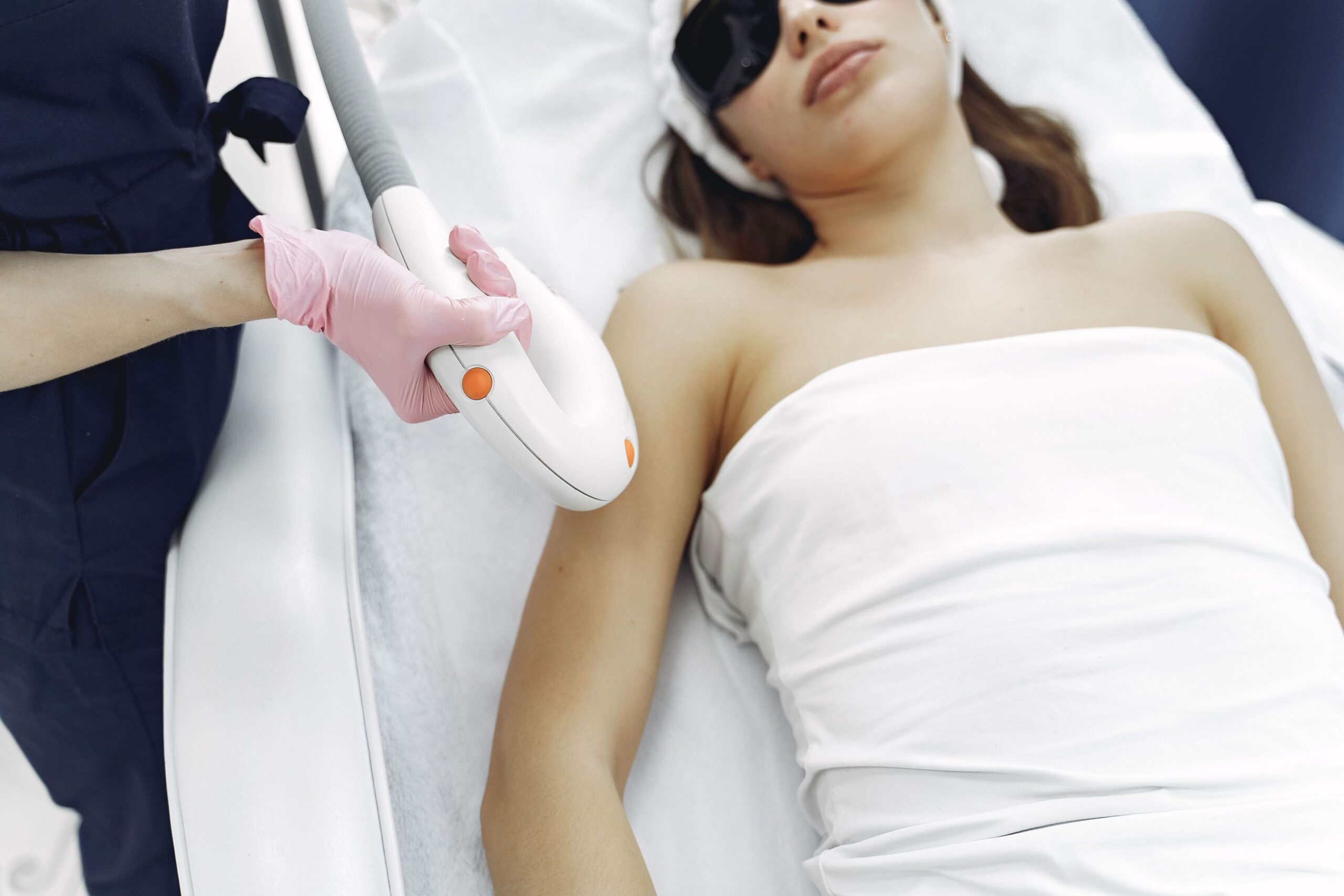
Main Takeaways
- IPL is not a laser — it emits broad-spectrum light across multiple wavelengths at once, not a single focused beam
- For skincare, IPL is best for pigmentation (sunspots, freckles) and vascular issues (rosacea, redness, broken capillaries)
- For hair removal, IPL is generally less effective and less permanent than dedicated laser treatment
- Home IPL devices work but at lower power than clinic machines. Eye protection is also a unique safety concern with home devices, unlike most other beauty tech
- Very dark skin tones, active tanning, and photosensitizing medications raise risk — a patch test is essential before starting
IPL, or Intense Pulsed Light, has become one of the most widely used light-based treatments for uneven skin tone, redness, and unwanted hair — showing up everywhere from dermatology clinics to home beauty devices. It works by delivering pulses of light that target specific pigments in the skin, triggering the body’s own repair process to fade discoloration and calm visible blood vessels over time. This article breaks down how that process works, what conditions it treats best, and where clinic treatments and home devices differ in results.
IPL Is Not a Laser
The most common misconception about IPL starts with the name itself. Lasers emit a single, focused wavelength of light — precise, coherent, and narrow. IPL emits a broad spectrum of wavelengths simultaneously, typically somewhere in the 500 to 1,200 nanometer (nm) range, through a flashlamp filtered to target specific colors in the skin.
That one distinction cascades into nearly every practical difference between the two:
| Feature | IPL | Laser |
|---|---|---|
| Light type | Broad spectrum, multiple wavelengths at once | Single, focused wavelength |
| Precision | Lower — spreads across a range of targets | Higher — tuned to one specific chromophore |
| Coverage per pulse | Larger, faster on big areas | Smaller, more concentrated |
| Best suited for | Pigmentation, redness, broad rejuvenation | Precise, single-target correction |
| Hair removal effectiveness | Moderate, more sessions needed | Higher, fewer sessions typically needed |
Think of IPL as light therapy’s broader, gentler cousin rather than a laser variant.
How IPL Actually Works
IPL’s mechanism rests on 4 core variables: wavelength, pulse duration, fluence (energy density), and spot size. Adjusting these lets providers tune a single device for very different targets, from surface pigment to deeper blood vessels, without switching machines.
The light itself gets absorbed by “chromophores,” meaning colored targets in the skin, mainly melanin (brown pigment) and hemoglobin (found in blood vessels). That absorbed light energy converts to heat, which damages the specific target while leaving surrounding tissue largely undisturbed. This is mechanistically similar to how non-ablative lasers work, just spread across several wavelengths at once instead of concentrated into one.
Where the Evidence Is Strongest
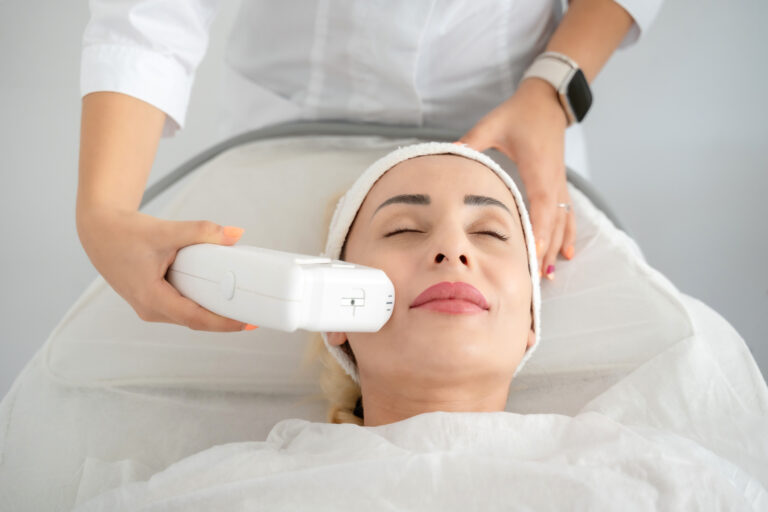
IPL has one of the widest approved-use lists among light-based skin treatments. It was first developed in 1992 to treat leg telangiectasias, or visible thread veins, and its use has expanded considerably since. The conditions with the best clinical support include:
- Vascular concerns: rosacea, facial redness, broken capillaries, and spider veins respond well because IPL targets hemoglobin directly
- Pigmentation: sunspots, age spots, and freckles fade through the same heat-based mechanism acting on melanin
- Mild photorejuvenation: subtle improvement in fine lines and overall tone through gradual collagen stimulation, occurring over a course of treatments rather than a single session
- Typical course: 4 to 6 sessions spaced roughly 3 to 6 weeks apart, with results building cumulatively rather than appearing after one visit
A longer-term study on regular IPL therapy found sustained improvement in facial redness, pigmentation, and wrinkles when treatment continued consistently over time, reinforcing that IPL rewards consistency over one-off visits.
Does IPL Actually Remove Hair Permanently?

Hair removal is where IPL marketing gets the furthest ahead of the evidence. IPL can reduce hair growth, but it’s generally considered less effective than dedicated laser hair removal, because laser’s focused wavelength delivers more targeted damage to the follicle.
A few practical details matter here:
- IPL hair removal works best on a specific combination: fair to medium skin paired with dark hair, since the device relies on contrast between skin and follicle pigment to work at all
- Laser hair removal often reaches desired results in 6 to 8 sessions, while IPL typically needs more sessions to reach a comparable, though usually less complete, outcome
- Some sources note that permanent results are possible with either method under the right conditions, but laser remains the more reliable route for anyone prioritizing long-term hair reduction over cost
The Risk Profile of IPL
IPL’s side effect profile is generally mild, but it isn’t nothing. Immediately after treatment, pinkness and soreness are common, often followed by a mild sunburn-like sensation lasting a few days. Blistering is rare, and in rare cases pigment cell damage can cause lighter or darker patches of skin. Bruising affects up to about 10 percent of patients, particularly when treating vascular lesions.
Can a Handheld Device Do What a Clinic Machine Does?
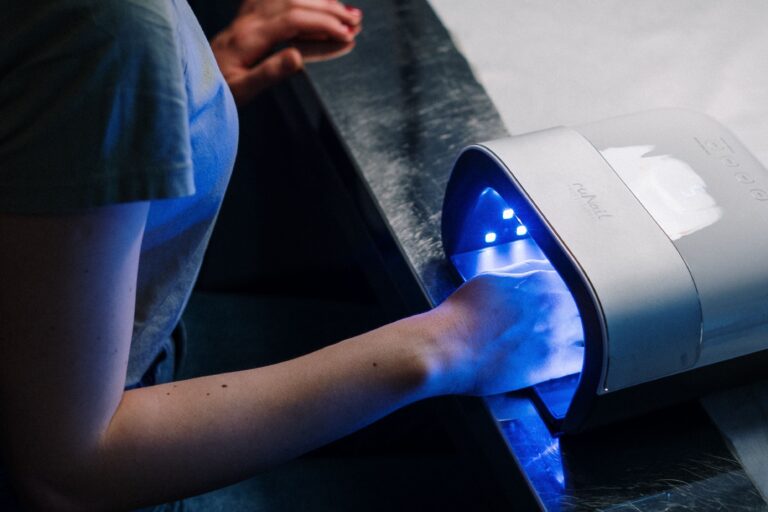
This is the question many customers care about, and the honest answer is: partially. Home IPL devices use genuine IPL technology (they’re not gimmicks), but they operate at a fraction of the power output used in clinical settings.
That gap is backed by real trial data:
- A clinical study on a low-energy, home-use IPL device for hair removal found 78 percent hair reduction at the one-month follow-up and 72 percent at three months, with no serious adverse events reported
- That’s a legitimate result, but a smaller one than a clinical-grade laser would typically produce
- The trade-off mirrors nearly every home device category we’ve covered: lower energy means lower risk, but also lower effectiveness and less permanent results
One risk is specific to IPL and worth flagging on its own. A published safety review raised concerns that home devices may not offer adequate eye protection compared to clinical settings, where providers use protective eyewear or shields as standard practice. Anyone using a home IPL device should follow the included eye protection instructions exactly, rather than skipping that step to save time.
When to Skip IPL or See a Professional First
IPL isn’t the right fit for everyone:
- Very dark skin tones carry a higher risk of pigment changes, because the device struggles to distinguish between background skin melanin and the target melanin it’s trying to treat
- Active tanning or recent sun exposure increases the risk of burns or discoloration during treatment
- Certain photosensitizing medications can heighten skin sensitivity to the light pulses
- A patch test before a first full session is standard advice for clinic treatments and especially important for home devices, where there’s no provider double-checking your skin’s reaction in real time
How Do You Choose the Right IPL Option?
Start with the condition you’re actually targeting, since IPL’s effectiveness varies a lot by use case:
- Vascular or pigment concerns: clinic IPL has the strongest track record and is worth the higher per-session cost for meaningful results
- Hair reduction on a budget: a home device can deliver real, documented reduction, but expect more sessions and less permanence than laser
- Any home device purchase: check for proper eye protection features and treat “permanent hair removal” claims with some skepticism, since the clinical evidence supports reduction more strongly than permanence
For clinic visits, provider experience matters more with IPL than with many other treatments, since results depend heavily on correctly matching wavelength and fluence settings to the exact target on individual skin.
Conclusion
IPL earns real credibility for pigmentation and vascular concerns, backed by decades of clinical use and consistent trial data showing sustained improvement with regular treatment. Where it gets oversold is hair removal permanence, particularly in home device marketing — the technology does works, just not as completely or as permanently as a dedicated laser, and readers comparing the two should weigh cost and convenience against that realistic gap in results.
Sources
- “Intense Pulsed Light (IPL) Therapy”, 2024, https://www.ncbi.nlm.nih.gov/books/NBK580525/
- “Intense Pulsed Light Therapy (IPL, Flashlamp)”, 2023, https://dermnetnz.org/topics/intense-pulsed-light-therapy
- “Low-Energy Intense Pulsed Light for Hair Removal at Home”, 2010, https://pmc.ncbi.nlm.nih.gov/articles/PMC2921762/
- “Comprehensive Facial Skin Rejuvenation With Long-Term IPL”, 2026, https://pmc.ncbi.nlm.nih.gov/articles/PMC12833585/
- “Are Home-Use Intense Pulsed Light (IPL) Devices Safe?”, 2010, https://pubmed.ncbi.nlm.nih.gov/20625788/
- “IPL vs. Laser Hair Removal: What’s the Difference”, 2025, https://rosemedaesthetics.com/ipl-vs-laser-hair-removal-whats-the-difference/