
IPL maintenance is the follow-up phase of at-home IPL hair removal. After completing the initial treatment course, some devices recommend scheduled follow-up sessions to help manage returning hair.
But how often should you continue using IPL once you’ve achieved smoother skin? Do you need to maintain the routine indefinitely? And if you stop for several months, will your hair grow back as it was before? In this post, we help you understand how maintenance works and how it will help you keep your results without treating more often than necessary.
Main Takeaways
- Follow your device’s maintenance schedule: Treatment intervals vary by brands and devices, with some recommending fixed appointments and others allowing touch-ups as needed.
- Expect some regrowth: IPL can provide lasting hair reduction, but it doesn’t guarantee permanent hair removal.
- A missed session isn’t necessarily a reset: You most likely don’t need to repeat the entire initial course after a break.
- Treat according to your results: Monitor regrowth in each area and avoid adding unnecessary sessions.
Why IPL Needs Maintenance
IPL (Intense Pulsed Light) uses light energy absorbed by pigment in the hair. This energy is converted into heat, which affects the hair follicle and helps reduce its ability to produce hair.
However, our hair doesn’t grow all at once. Each follicle moves through different stages of growth, and IPL is most effective when the hair is in its active growth phase. Because not all follicles reach this stage simultaneously, multiple sessions are needed to target hairs as they enter the appropriate phase.
After the initial course, hair growth is generally reduced, but some follicles may remain active or gradually produce new growth. Maintenance treatments help manage these returning hairs and preserve your results. It’s also not necessary to stress over returning or recurring hair. Instead, evaluate your overall change: Is hair growing back less densely? Are you shaving less often? Have the remaining hairs become more scattered? These are more meaningful indicators to take note of.
Timing Your IPL Touch-Ups
For IPL devices, and most other home beauty devices, it’s essential to follow the instructions. After you complete the initial treatment course, follow the maintenance schedule your device specifies.
Brands and devices have different schedules. Here we gathered two examples from two popular brands to briefly show how manufacturers describe ongoing use:
| Device guidance | Maintenance instructions |
|---|---|
| Philips Lumea BRI931/03, BRI932/03, and BRI937/03 | One treatment every four weeks after four initial treatments spaced two weeks apart. |
| Braun‘s general U.S. IPL usage guidance | Adjust treatment as needed after the initial phase, with every one to two months as an example. |
These examples illustrate two different approaches: a fixed maintenance interval and a more flexible, as-needed schedule.
Follow Your Schedule, Not Every Stray Hair
If your device recommends a fixed four-week interval, stick to it even when you think the area looks relatively clear. If it allows as-needed maintenance, use visible regrowth to decide when another session is appropriate.
Also assess each treated area separately. Hair growth and treatment response can differ across your body. For example, a 2009 study of an at-home IPL device found greater hair reduction on the lower legs than on the arms, underarms, and groin area.
This means one area may need touch-ups sooner than another. In this case, keeping separate treatment records helps you track these differences and avoid treating areas that don’t need another session.
Most importantly, don’t add extra treatments just because you notice a few returning hairs. For instance, Philips advises that using Lumea more frequently than recommended won’t improve results. Repeatedly flashing the same area can instead increase the risk of skin reactions.
What Happens If You Stop Using IPL?
Hair may gradually return after you stop IPL treatments, but you’ll not lose all the progress you’ve made.
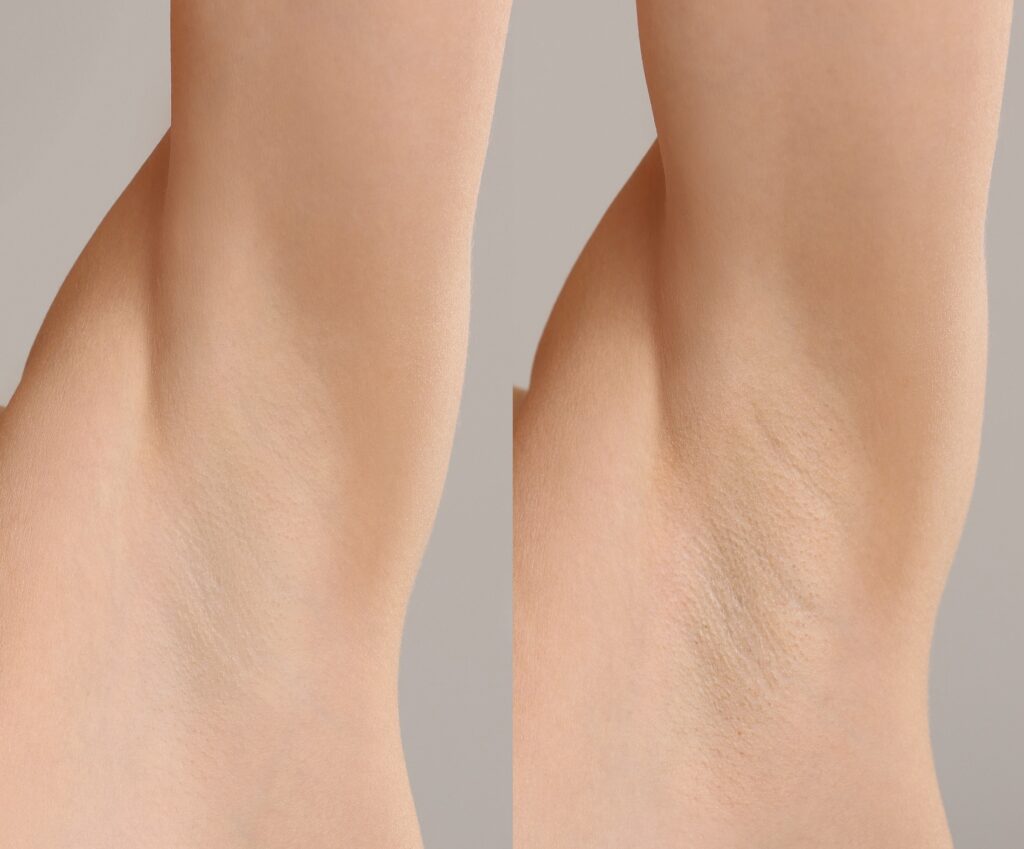
The 2009 study mentioned above, which examined an IPL-only home device, found that participants still had 37.8%–53.6% fewer hairs six months after completing three treatments. This suggests that some hair reduction can remain even without continued treatment.
The amount of regrowth varies between individuals and treated areas. You might notice a few scattered hairs, a gradual increase in hair density, or more noticeable regrowth over time.
Do You Need to Use IPL Forever?
Not necessarily. Ongoing maintenance can help keep returning hair under control, but there isn’t one established endpoint for every home IPL user.
If you want to make a decision on when to stop, it can depend on how much regrowth you’re comfortable with:
- If you prefer consistently smooth skin: Continue maintenance as your device instructions recommend.
- If you’re comfortable with occasional regrowth: You may reduce or stop treatments and manage any returning hair with other methods.
Ultimately, maintenance should fit your desired results. You don’t need to keep treating indefinitely simply because some hair remains.
Restarting IPL After a Break
Before resuming treatment, check your device’s instructions rather than automatically repeating the initial course.
For example, Philips’ current Lumea guidance allows users who miss a maintenance session to either continue their original schedule or restart the initial treatment phase. This means a missed appointment doesn’t require you to start over.
If you’ve taken a longer break, consider how much hair has returned and check whether the brand provides specific restart instructions. If the guidance isn’t clear, contact their support team for advice based on your device model. As mentioned above, for IPL devices and most other home beauty devices, it’s important to follow the instructions.
Before Resuming Treatment
During a break, you can also reassess whether your skin and circumstances still suit IPL.
1. Recheck your skin condition
Changes in skin tone, recent tanning, sun exposure, or irritation may affect whether treatment is appropriate. Don’t use IPL on sunburned or irritated skin.
2. Perform another skin test
Do a skin test after stopping and restarting treatment, then check for reactions over 24 hours.
3. Review changes in medication and health circumstances
Some medications can increase light sensitivity. Pregnancy and breastfeeding may also be listed as reasons to avoid IPL use. Check the contraindications before restarting.
4. Return to the appropriate treatment interval
Don’t squeeze several sessions together to compensate for missed treatments. Resume the schedule recommended for your device and avoid repeatedly treating the same spot.
Your previous intensity setting may not be suitable after a long break. Reassess your skin and choose a setting based on your current skin condition (and if your device has an official recommendation on intensity setting, follow it).
Preparing for an IPL Maintenance Session
Maintenance sessions may be less frequent, but preparation is still important for comfortable and effective treatment.
Before each session:
- Remove visible hair: Shave the treatment area so that less hair remains above the skin. Surface hair can absorb light energy and cause unnecessary discomfort.
- Start with clean, dry skin: Remove lotion, oil, deodorant, and other residue from the treatment area.
- Check your hair-removal method: If you prefer waxing or epilating, check whether your device permits it and how long you should wait before IPL.
- Clean the treatment window: Remove accumulated hair, sweat, or dirt.
Afterward, protect treated skin from excessive sun exposure and follow the aftercare guidance.
When Hair Regrowth Needs a Closer Look
If you notice more hair than expected during maintenance, review your treatment routine before increasing frequency or intensity. Start with the basics: Are you following the correct treatment schedule? Is your hair suitable for IPL? Are you preparing your skin properly and covering the area evenly?
Hair color is particularly important. IPL relies on pigment in the hair to absorb light energy, so very light blond, red, gray, and white hairs won’t respond effectively.
However, not all changes in hair growth are related to treatment technique. If you notice new, coarse facial or body hair, particularly alongside irregular periods or other hormonal symptoms, consider seeking medical advice. IPL removes hair but can’t address underlying hormonal causes.
Increased hair growth in or around treated areas is also a recognized possible side effect of light-based hair removal. If the area appears progressively hairier during treatment, stop adding sessions and seek professional advice.
Frequently Asked Questions
1. How often should I use an IPL device for maintenance?
The recommended maintenance frequency varies depending on the device. Some devices specify fixed follow-up intervals, while others allow treatments as needed. Always check your device’s maintenance instructions.
2. Will my hair grow back if I stop using IPL?
Some hair may gradually return after you stop IPL treatments, but the amount of regrowth varies between individuals and treatment areas.
3. Do I need to repeat the initial IPL treatment course after a long break?
Not definitely. Missing a maintenance session or taking a longer break doesn’t mean you have to start from the beginning. Check your device’s restart instructions and assess how much hair has returned.
4. Can I use IPL more frequently to get rid of stubborn regrowth?
No. Treating more frequently than recommended won’t improve hair reduction and may increase the risk of skin irritation or other reactions. If certain areas aren’t responding as expected, review your treatment technique, hair-color compatibility, and device suitability.