Do Shower Filters Actually Help Your Hair and Skin? What They Can & Can’t Do

Can a shower filter improve dry skin, dull hair, or scalp buildup? Learn what shower filters remove, what they cannot fix, and when hard water is the real issue.

This category digs into the research behind popular beauty tech claims, separating what’s really been studied from what’s just good marketing. We look at clinical studies, safety data, and expert commentary to answer questions like whether a technology does what it claims, or whether a popular trend holds up under scrutiny. If a claim sounds too good to be true, this is where we go looking for the evidence.
Can a shower filter improve dry skin, dull hair, or scalp buildup? Learn what shower filters remove, what they cannot fix, and when hard water is the real issue.
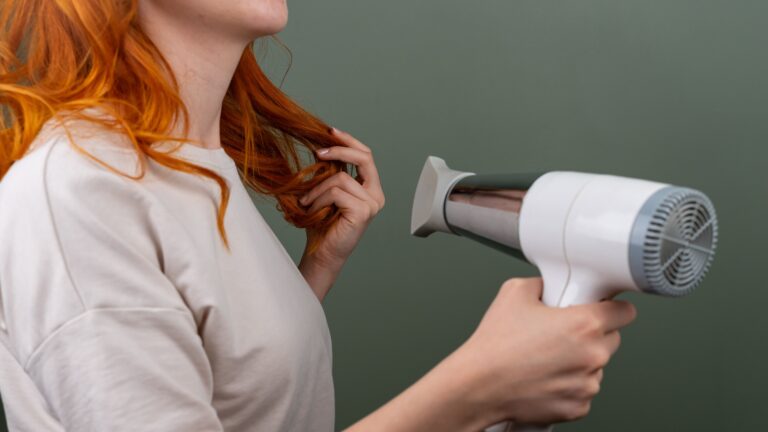
Air dry or blow dry for frizzy hair? Learn how heat, humidity, wet time, and drying technique affect frizz and choose the best method for your texture.

Ritual, price, and belief all shape how effective a beauty device feels. Here's what placebo effect in beauty tech means, and why that's not a bad thing.
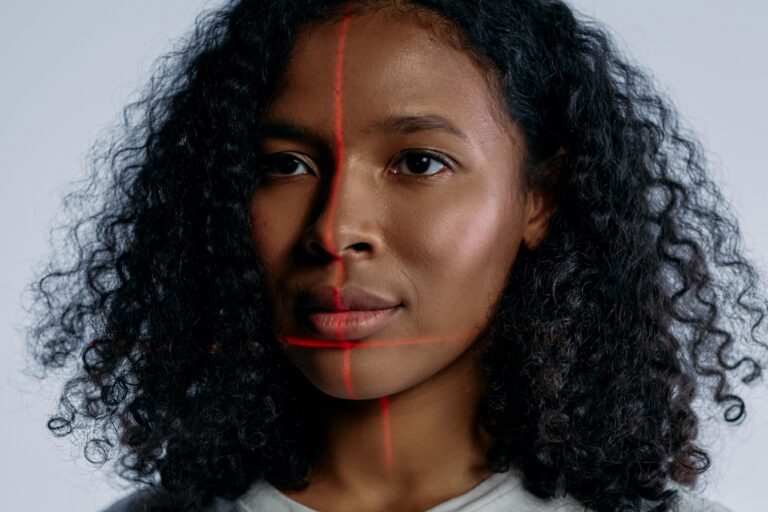
Wearable beauty devices are booming in 2026, but does the data behind them actually improve your skin? Here's what the evidence and industry trends show.
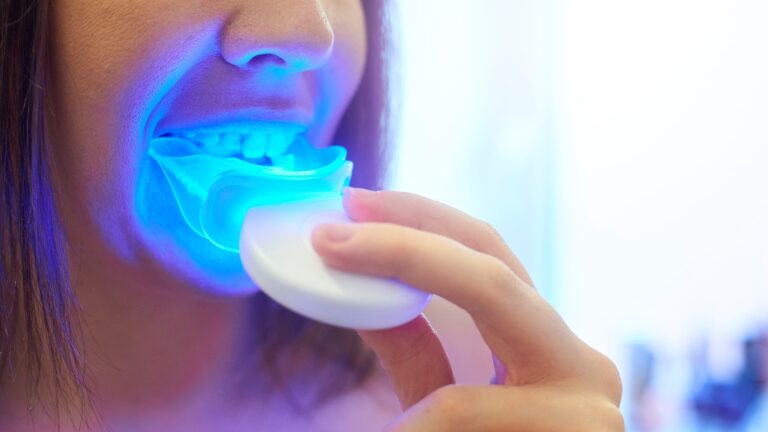
LED lights are the star of most whitening kits, but does the light matter, or is the gel doing all the work? Here's what the research found.
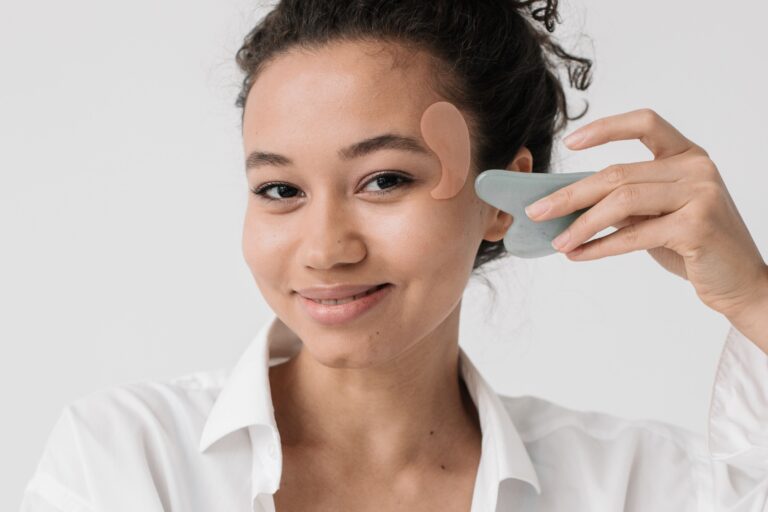
Skin cycling taught us to rest between actives. Does the same logic apply to RF, laser, and microcurrent devices? Here's what the science suggests.
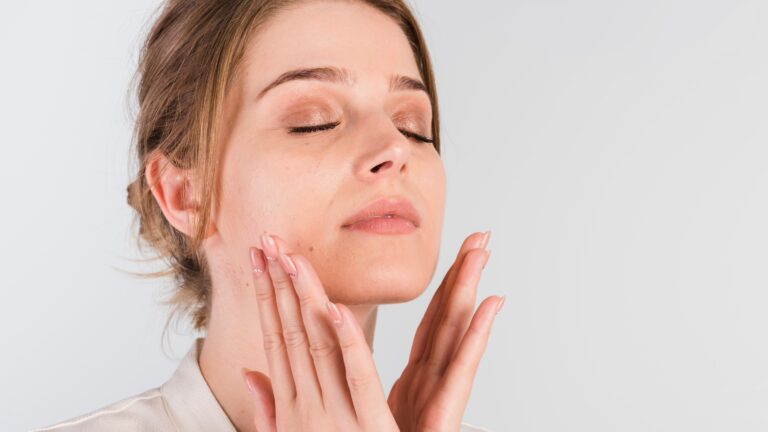
RF, LED, laser, and HIFU all claim to boost collagen. We compared the clinical evidence behind each and which one actually works best for you.
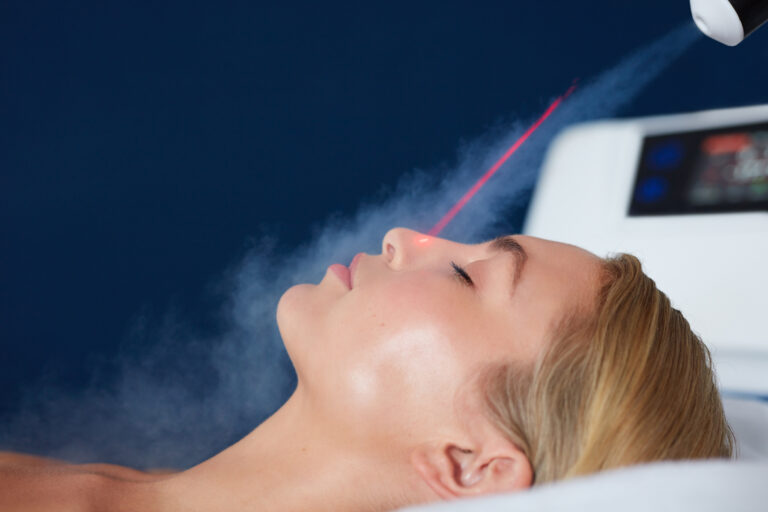
From med spa cryo-facials to $20 ice rollers, cold therapy claims a lot. Here's their mechanisms, expected results for your skin, and what scientific evidence shows.

"Clinically proven" and "FDA cleared" don't always mean what you think. Here's the evidence framework we use to evaluate every beauty tech claim on this site.
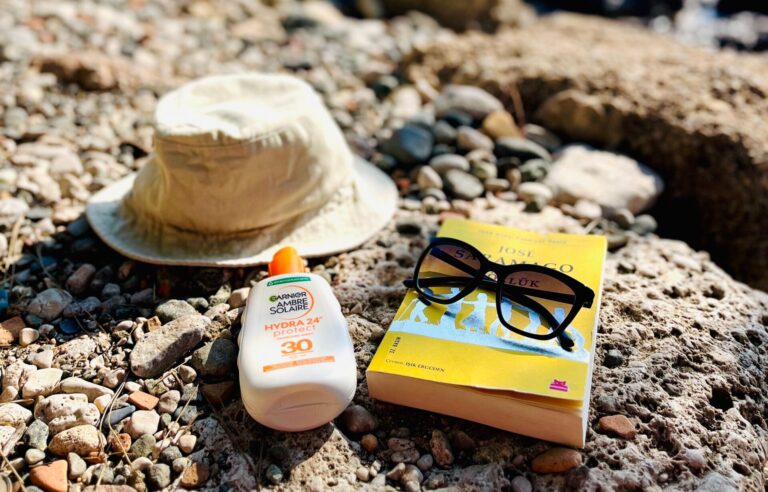
If beauty tech can now monitor and repair sun damage, do you still need sunscreen? The answer is yes — and the science explains exactly why.