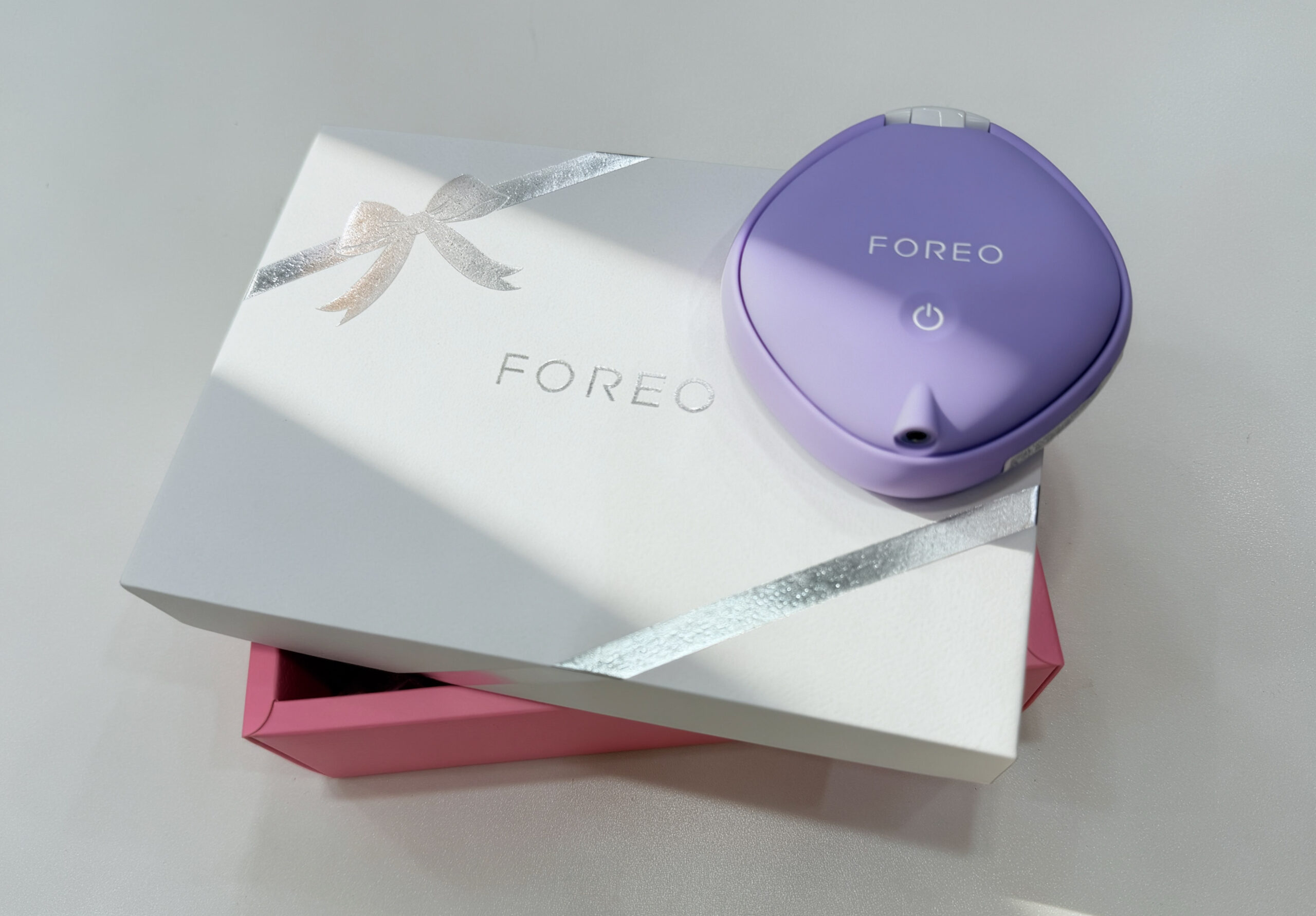
Main Takeaways
- I had noticeably smoother, less tangled hair after consistent use
- Using red light resulted in a minor reduction in hair fall, which is consistent with what clinical research would predict
- Blue and green light effects were not noticeable for me, which also aligns with weaker or acne-specific evidence for those wavelengths
- No thickness or growth change yet, but 6 weeks is quite early. Clinical trials on red light for hair typically measure results at 16 to 26 weeks
- The device’s comfort and build quality have some real downsides: compact size and semi-firm brush material could take some adjustment
(Disclosure: This is not a sponsored review. The device was purchased independently for testing.)
The FOREO FLIP Play Advanced is a 3-in-1 LED hairbrush that combines physical detangling with red, blue, and green light therapy delivered through the brush. It sits at the intersection of two categories we’ve briefly covered before: LED-based skincare and scalp tech, and the broader question of what home devices can realistically replicate from professional treatments (you can read more about this topic here). This review covers my personal six weeks of daily use, tested against both the brand’s claims and the actual clinical evidence behind each light color.
The Science: What LED Light Actually Does to Hair and Scalp
Before getting into my hands-on results, it’s worth separating marketing language from what the research actually supports. In fact, we have covered the science of LED light therapy more in depth in this blog post.
| Light color | Marketed claim | Evidence level |
|---|---|---|
| Red (630–680nm) | Strengthens hair, reduces breakage and thinning | Strong — multiple RCTs and a meta-analysis support hair growth effects |
| Blue | Calms inflammation, clears clogged follicles | Moderate for acne, weak/unproven specifically for scalp and hair |
| Green | Boosts circulation for nutrient delivery | Weak — plausible in theory, but lacks dedicated hair-specific trials |
Red light has the most credible backing of the three. It’s absorbed by cytochrome c oxidase in hair follicle stem cells, which boosts mitochondrial energy production and helps activate the biological pathway that governs hair cycling, pushing follicles from a resting phase into active growth. A systematic review and meta-analysis of randomized controlled trials found consistent improvement in hair density and hair counts with red light-based devices.
Importantly, these trials generally measure results at 16 to 26 weeks, not 6. That timeline matters a lot for setting realistic expectations, which comes up again below.
Blue light‘s evidence base is real but built almost entirely around acne treatment, where it reduces inflammatory lesions by targeting bacteria in the skin . Extending that logic to scalp health is a newer, much less-studied claim. Green light has the thinnest evidence of the three. The circulation-boosting story is biologically plausible, but there isn’t a comparable body of clinical trials behind it the way there is for red light.
How i Tested
The brand markets all three lights as part of a combined “hair and scalp health” routine, but my primary concern going in was hair quality. I had frizz and breakage, so red light was my main focus of testing, with blue and green used as directed but not prioritized.
Daily Routine & Usage Pattern
The FLIP Play became part of three points in my day:
- Post-shower, on wet hair: I used immediately after washing, while hair was easiest to detangle
- Before bed: I used it for a second pass through dry or slightly damp hair
- The following morning: I used it for a quick touch-up brush before starting the day
This routine ran quite consistently for six weeks, which is enough time for me to notice surface-level hair quality changes but, per the clinical timelines above, too early to expect measurable thickness or density change.
What Worked: Smoothness and Detangling
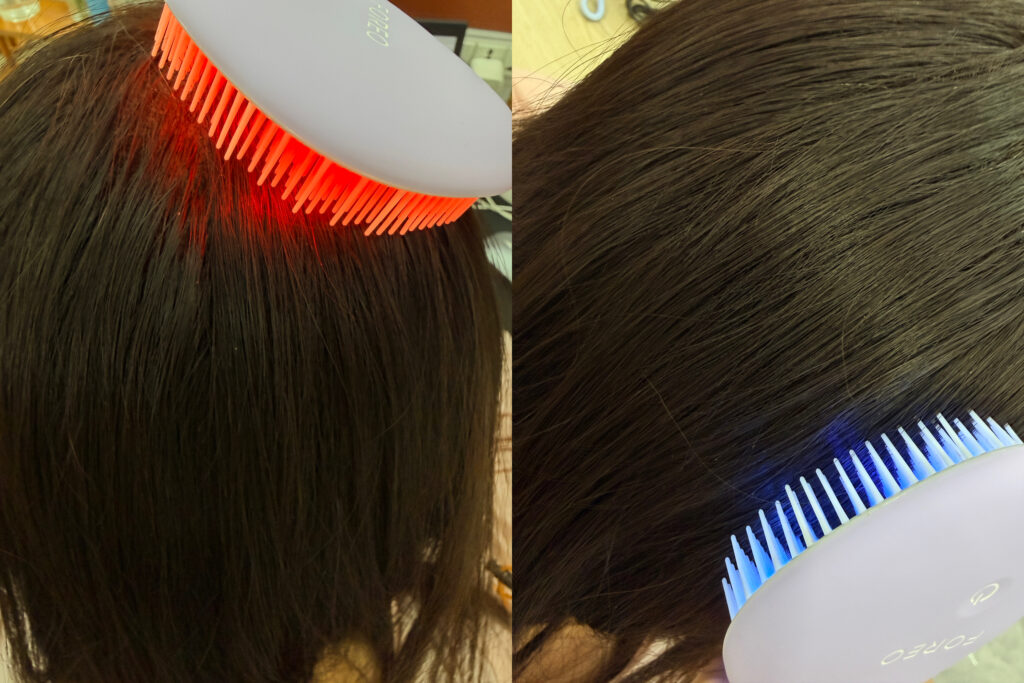
This was the clearest, most consistent result I got for my hair. They felt smoother, less frizzy, and less prone to tangling within the first couple of weeks, particularly when used on wet hair right after washing. This matches the most repeated positive comments in other user reviews I found as well, which mostly center on detangling ease and shine rather than hair growth specifically, so it seems like my experience isn’t an isolated one.
Red Light: My Main Focus
Using red light consistently produced a minor reduction in hair fall. It was noticeable, but a modest observation rather than a dramatic change. No change in hair thickness was apparent yet. Given that clinical trials on red light for hair typically run 16 to 26 weeks before measuring meaningful density improvements, six weeks is genuinely too early to expect that result. The early, minor reduction in shedding is arguably a reasonable early signal rather than a disappointing one.
Blue and Green Light: Underwhelming performance
Neither blue nor green light produced a noticeable effect during my 6-week testing. This tracks with the evidence: blue light’s clinical support is concentrated in acne treatment, not scalp or hair health specifically, and green light simply doesn’t have the same volume of hair-focused research behind it that red light does. Rather than a device flaw, I’d say this looks more like a case of marketing extending a light color’s reputation beyond where the clinical studies currently supports it.
Comfort and Build Quality
I noticed two practical issues (pretty quickly) during daily use:
- Device Size: the device is lightweight and has a rather compact form, while it’s great for travel/on-the-go, it wasn’t always comfortable to hold for extended brushing sessions. Personally, if the device is bigger, it would be more comfortable to hold.
- Brush Material: the brush’s material is TPEE (thermoplastic elastomer), which is a flexible but semi-rigid plastic rather than soft fiber. Without moderating pressure, this firmness could feel uncomfortable against the scalp.
Neither issue affected the device’s core functions, but they’re worth knowing before you decide to buy, especially for anyone with a sensitive scalp or bigger hands.
Who Should (and Shouldn’t) Buy This
The FOREO FLIP Play LED hair brush delivers real, noticeable value for detangling and hair smoothness, and its red light mode is backed by solid clinical research (just on a longer timeline than six weeks). Blue and green modes are pleasant additions but shouldn’t be a primary purchase reason given the thinner clinical support behind them for hair specifically.
- It’s worth buying if: your main goal is smoother, more manageable hair, and you’re willing to commit to red light use for several months before judging thickness results
- Wait or reconsider if: you’re expecting fast thickness or growth results, or you have a sensitive scalp that may not tolerate firm (TPEE material) pressure well
- Keep expectations calibrated: treat this the same way we’ve suggested for other device categories — a real, functional tool with solid mechanism behind at least one of its features, not a guaranteed fix on a short timeline
Given the clinical evidence points to 16-26 weeks for red light results, I will continue to use it, and this review will be revisited at the three-month mark to check whether thickness or density changes emerge with continued use.
Sources
- “Hair Growth Promoting Effects of 650 nm Red Light Stimulation on Human Hair Follicles”, 2021, https://pmc.ncbi.nlm.nih.gov/articles/PMC8577899/
- “A Systematic Review and Meta-analysis of Randomized Controlled Trials of Laser Therapy for Hair Loss”, 2021, https://jcadonline.com/laser-therapy-hair-loss/
- “Role of Low-Level Light Therapy (LLLT) in Androgenetic Alopecia”, 2021, https://pmc.ncbi.nlm.nih.gov/articles/PMC8906269/
- “Low Dose Laser Therapy for Hair Loss”, 2013, https://dermnetnz.org/topics/low-dose-laser-therapy-for-hair-loss
- “Blue Light Therapy for Acne: Benefits, Side Effects, and Costs”, 2017, https://www.medicalnewstoday.com/articles/319254
- “Light-Based Therapies in Acne Treatment”, 2015, https://pmc.ncbi.nlm.nih.gov/articles/PMC4439741/