Main Takeaways
- Cryo-facials reduce inflammation and puffiness through measurable blood flow changes, and one clinical device study found a 69% drop in post-laser pain and swelling.
- Cryolipolysis (fat freezing) has the strongest research base in this category, with large studies confirming significant, lasting fat reduction.
- Ice rollers use the same real mechanism as clinical treatments, just gentler, making them a legitimately useful, low-cost tool for daily de-puffing.
- Claims about collagen production or long-term anti-aging from facial cold devices are not well supported yet, regardless of how the treatment is packaged.
Cryotherapy shows up everywhere in beauty right now. Med spas offer liquid nitrogen cryo-facials. Instagram is full of ice roller routines. Both promise brighter, tighter, less puffy skin, and the research behind each version tells a more specific story than the marketing does.
What a cryo-facial actually does
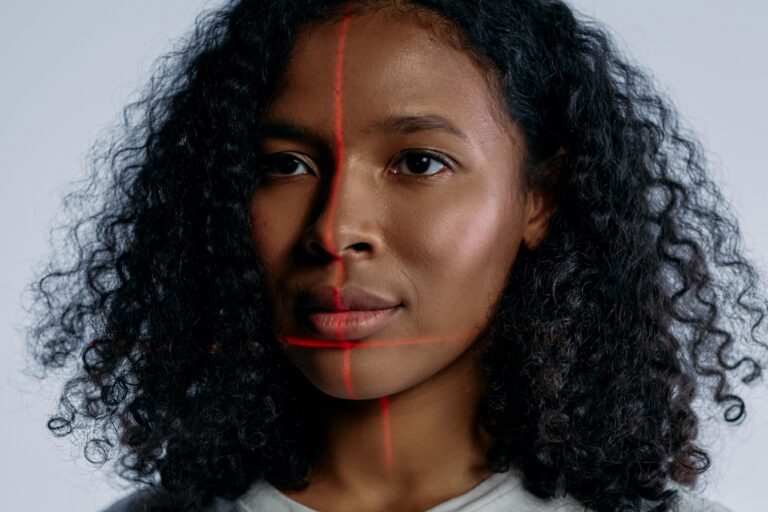
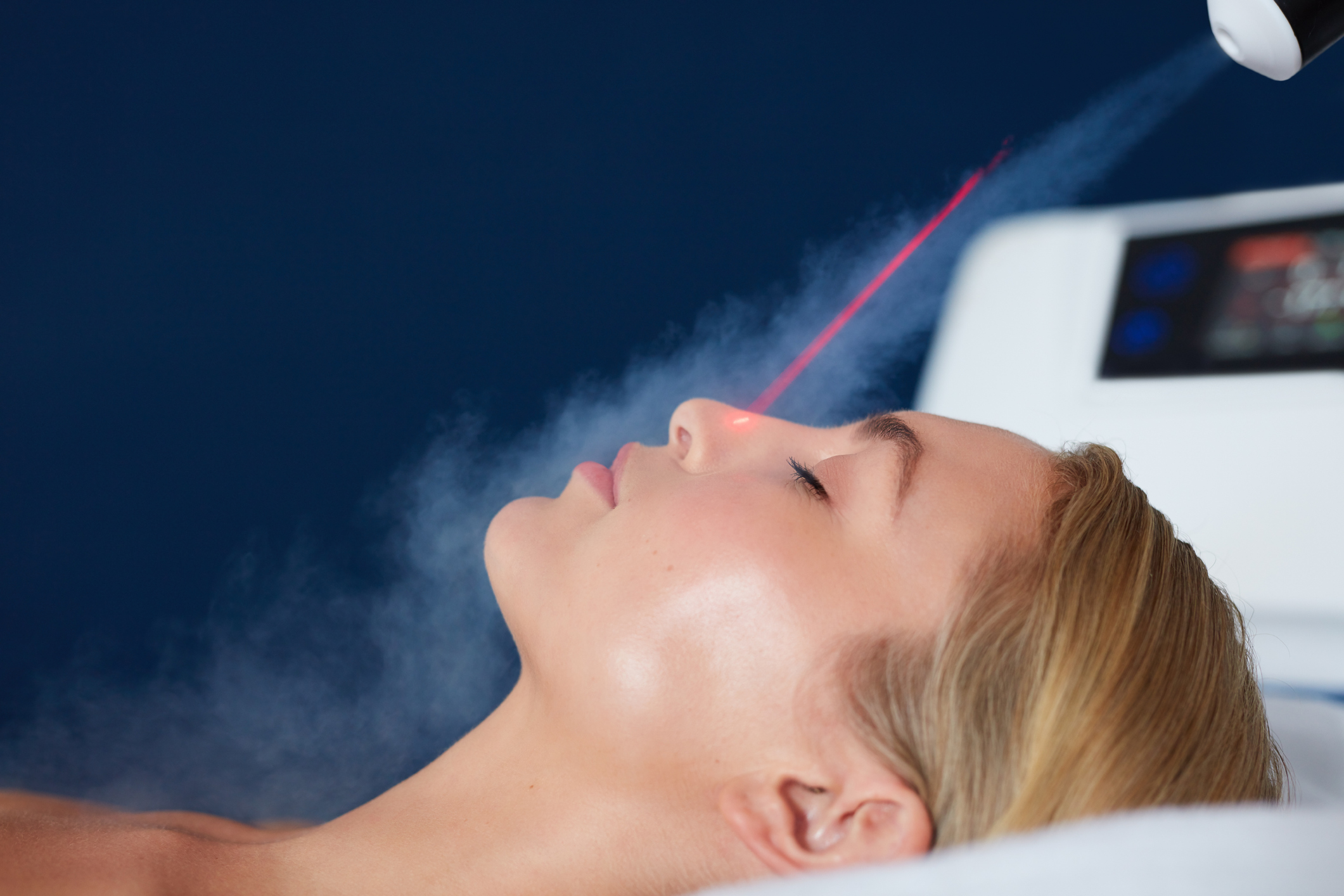
A cryo-facial uses cold nitrogen vapor sprayed across the face for two to three minutes, without ever touching or freezing the skin directly. The goal is different from the liquid nitrogen dermatologists use to destroy warts or sun spots. Facial cryotherapy is designed to cool the skin’s surface just enough to trigger a strong vascular response, not to damage tissue.
That vascular response is where the real evidence lives. Cold exposure causes blood vessels near the surface to constrict, then rebound with a rush of blood flow once the skin warms back up. Dermatologists describe this rebound as the mechanism behind the immediate glow people notice right after a session.
There’s also a legitimate anti-inflammatory angle. Cold treatment can downregulate inflammatory processes in the skin, which is why dermatologists increasingly use it to calm redness and swelling after more aggressive treatments. A clinical study on controlled facial cooling after laser resurfacing measured this directly: pain scores dropped by 69% on the cooled side of the face, and 70% of patients noticed a clear improvement in swelling compared to the untreated side.
The takeaway is: controlled cold does reduce inflammation and swelling in the skin. The open question is how much of that effect carries over into a cosmetic-only cryo-facial with no other treatment involved.
Where cryo-facials fall short of the marketing
Brands often add claims about fine lines, tightened pores, and long-term firmness to cryo-facial marketing. Those specific claims don’t have the same weight of evidence behind them. Most cosmetic outcome data in this space comes from small studies, or is borrowed from cryolipolysis and cryosurgery research that doesn’t map directly onto a quick facial vapor treatment.
Pigment change is also worth knowing about. Cold exposure intense enough to affect pigment-producing cells can create lighter or darker patches, and this risk is generally higher in people with darker skin tones. This is more of a concern with deeper liquid nitrogen treatments than with facial vapor cryotherapy, but it’s part of why providers should be asked about their training and technique before booking.
Cryolipolysis: the strongest evidence in this category
If cryo-facials sit in the “plausible but under-studied” zone, cryolipolysis sits firmly on the other side. This is the fat-freezing treatment behind brands like CoolSculpting, and it works through a completely different mechanism: sustained cold exposure triggers apoptosis, a programmed cell death process, in fat cells specifically, while sparing skin and surrounding tissue.
The research base here is substantial:
| Finding | Result |
|---|---|
| Average fat-fold thickness reduction (287 patients, 1,118 sessions) | Nearly 70% |
| Side effect rate in the same large study | Under 2% |
| Systematic review conclusion (30+ studies) | Safe and consistently effective, though more high-quality randomized trials are still needed |
One 2023 review also found early signs that cryolipolysis might improve skin elasticity, not just reduce fat volume, though researchers were careful to call this a preliminary finding rather than a settled result.
The scale and consistency of this research is a big part of why cryolipolysis carries more clinical weight than most cosmetic cold treatments. It’s also worth noting this is a body-contouring treatment first, not a skin-glow treatment, so it answers a different question than a cryo-facial does.
Do ice rollers actually help, or are they just trendy?
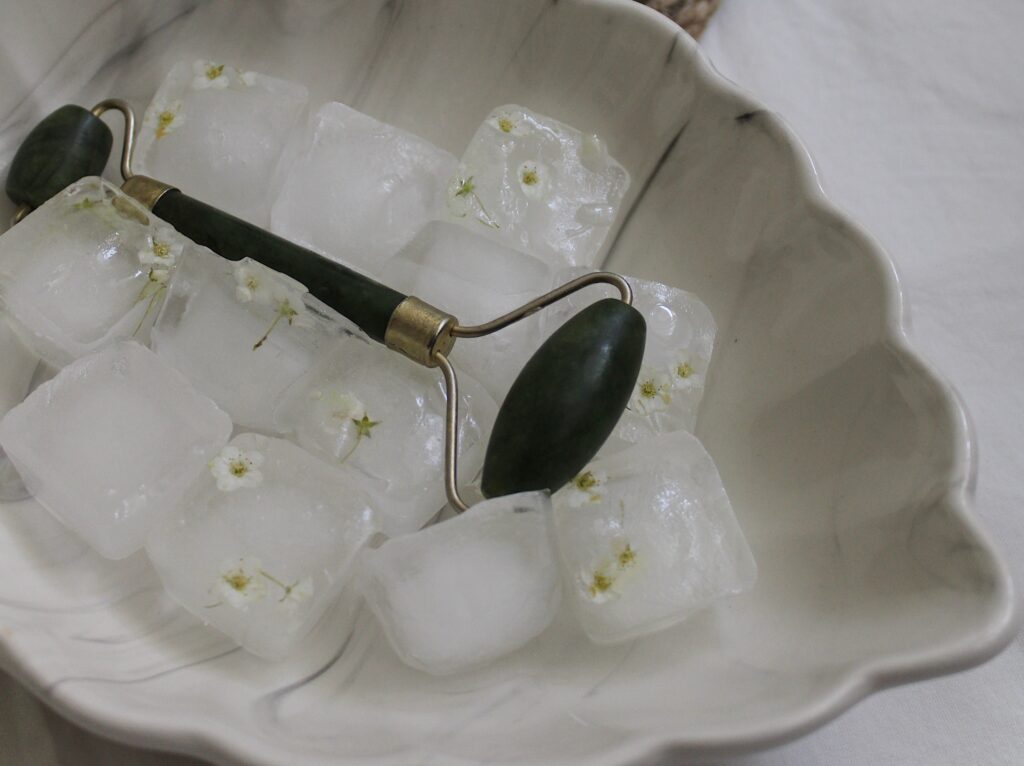
Ice rollers and ice globes deserve more credit than skeptics usually give them. They work through the exact same vasoconstriction-then-rebound mechanism described above, just at a much gentler intensity and smaller surface area than a full cryo-facial.
For quick de-puffing, especially around tired eyes in the morning, that mechanism is real and well-supported by the underlying vascular science. The effect is temporary, but it’s really happening, not just a placebo response.
At-home tools also come with real practical advantages:
- They cost a small fraction of a professional cryo-facial session.
- They store easily in a fridge or freezer and are ready whenever needed.
- They fit into a daily skincare routine instead of requiring an appointment.
- They carry far less risk than liquid nitrogen, since the cooling dose is small, brief, and self-limited.
That combination makes ice rollers one of the more reasonable “trendy” beauty tools on the market. The device itself isn’t the problem. The exaggerated claims stacked on top of it are.
The collagen claim is getting ahead of the science
Some ice roller and cryo-facial marketing suggests cold exposure works like a mild “stress signal” that triggers collagen production, similar to how microneedling prompts skin repair. That comparison sounds reasonable, but it isn’t backed by the same research supporting the vasoconstriction and cryolipolysis findings above.
The clinical research on sustained cold exposure centers on blood vessel behavior and fat cell death, specific, measurable processes with dedicated studies behind them. Collagen synthesis from surface-level facial cooling hasn’t been studied with that same rigor. Until it is, treat any collagen-boosting claim tied to an ice roller or cryo-facial as marketing language rather than an established result.
Who should be cautious, and what to check first
People with cold urticaria, Raynaud’s phenomenon, or circulation disorders should avoid intense or prolonged cold exposure, since it can worsen these conditions. Anyone with very sensitive skin or a history of broken capillaries should introduce cold treatments gradually rather than starting with a full-intensity session.
Before booking a cryo-facial or cryolipolysis treatment:
- Ask what device the provider uses and how experienced they are with it.
- Ask what results are realistic for your specific goal, since fat reduction and facial glow are very different outcomes.
- Ask about aftercare, especially if you have a history of pigment changes or sensitive skin.
Before buying an ice roller:
- Look for something easy to clean, store, and use daily.
- Treat collagen or long-term anti-aging promises with skepticism.
- Expect temporary de-puffing and refreshment, not a replacement for other skincare.
Where cryotherapy lands in skincare
Cryotherapy earns a real place in skin care, and the science behind it is more solid than a lot of trend-driven beauty tech. Cryo-facials measurably reduce inflammation and swelling through a well-documented vascular mechanism. Cryolipolysis has strong, large-scale clinical support for fat reduction specifically. Ice rollers tap into that same real science at a gentler level, making them a useful daily tool rather than just a viral gimmick. The claims worth questioning are the ones stretching beyond what any of this research actually shows, especially collagen production and lasting anti-aging change from a quick cold treatment alone.
Sources
- “Sustained Cutaneous Vasoconstriction during and Following Cryotherapy Treatment: Role of Oxidative Stress and Rho Kinase”; https://pmc.ncbi.nlm.nih.gov/articles/PMC4867254/
- “Split-face study to evaluate efficacy of global cryomodulation for reduction of pain and inflammation after nonablative fractional resurfacing”; https://onlinelibrary.wiley.com/doi/full/10.1002/lsm.23721
- “Cryolipolysis for fat reduction using Cooltech® Define technology: A large-sample retrospective clinical study”; https://onlinelibrary.wiley.com/doi/10.1111/jocd.15981
- “Application of cryolipolysis in adipose tissue: A systematic review”; https://pubmed.ncbi.nlm.nih.gov/35869825/
- “Here’s What The Dermatologists Want You To Know About Cryotherapy Skincare”; https://www.forbes.com/sites/nomanazish/2022/08/17/heres-what-the-dermatologists-want-you-to-know-about-cryotherapy-skincare/
- “What Does Liquid Nitrogen Do to Skin? Risks & Effects”; https://scienceinsights.org/what-does-liquid-nitrogen-do-to-skin-risks-effects/