Main Takeaways
- LED lamps cure most gel formulas in about a minute. That’s roughly half the time of a typical UV lamp.
- A longer-lasting manicure depends more on gel-and-lamp compatibility than on lamp type alone.
- Both UV and LED lamps emit UVA radiation. Neither qualifies as a UV-free option.
- Research models estimate the added skin cancer risk from typical use is low. Risk isn’t zero, especially with years of frequent exposure.
- Salon-grade lamps and cheap home-use kits can perform very differently. This holds true even when labeled the same way.
Gel manicures rely on one unavoidable step: curing under a lamp. Shoppers now face a choice between UV and LED lamps. Marketing language around each option is often vague. We looked at what separates the two on cure speed, manicure durability, salon versus home performance, and the safety question that comes up most often.
Which Lamp Cures Gel Faster?
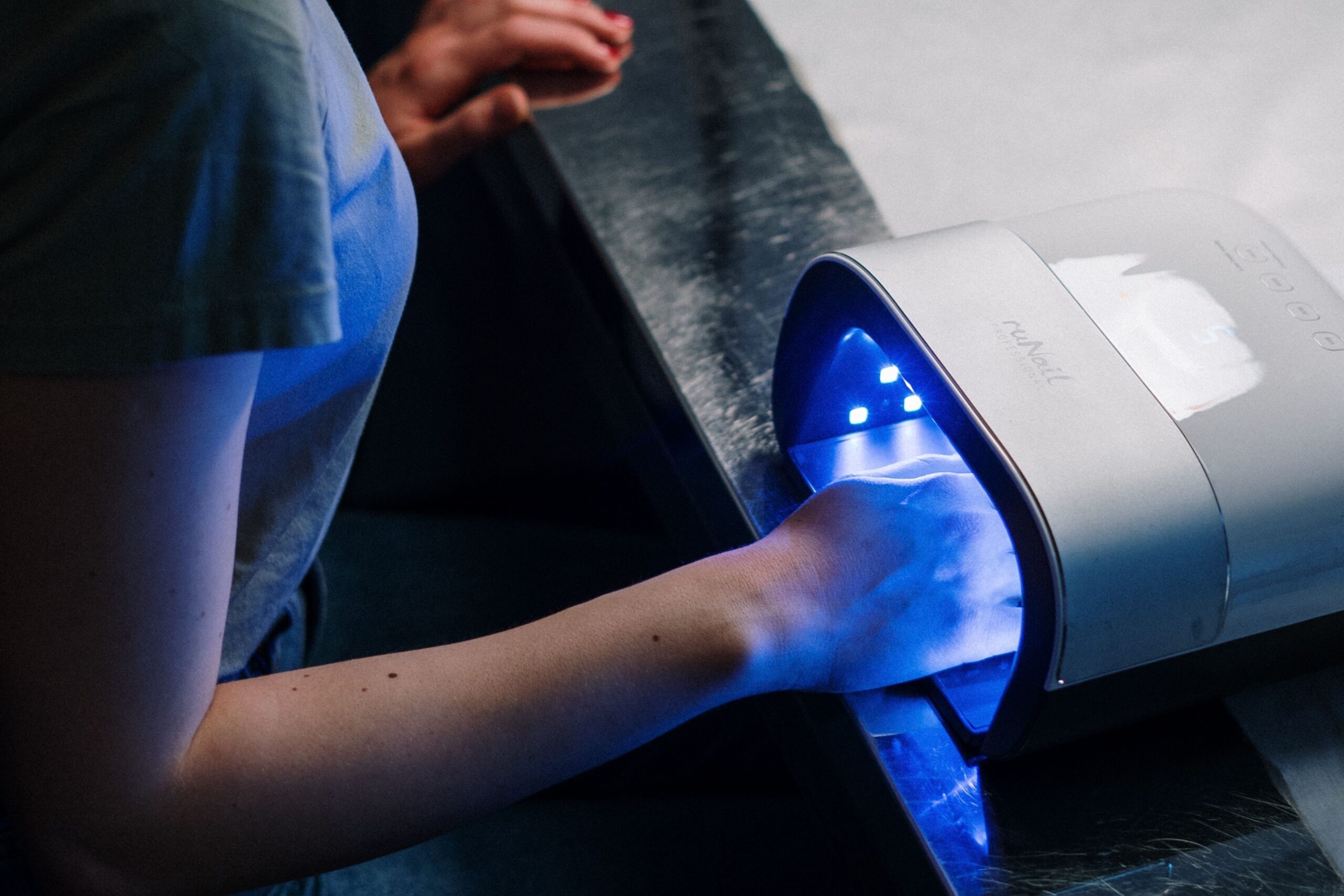
LED lamps use small diodes tuned to a specific wavelength range. That range matches what gel formulas need to harden. Most polishes cure in around 60 seconds under LED. UV lamps rely on broader-spectrum fluorescent bulbs instead. They typically need two minutes or more per layer to fully set. That speed difference adds up fast. It matters for anyone doing gel manicures at home. It matters even more in a salon working through multiple clients.
Bulb lifespan also favors LED by a wide margin. LED bulbs can last tens of thousands of hours. UV bulbs typically need swapping every six months with regular use. This matters more than people expect. A dimming UV bulb still lights up normally. But it loses curing strength without any obvious warning sign. A salon running the same UV bulb for a year may deliver a weaker cure. The lamp still looks completely normal to the client sitting under it.
Which Lamp Gives a More Durable Manicure?
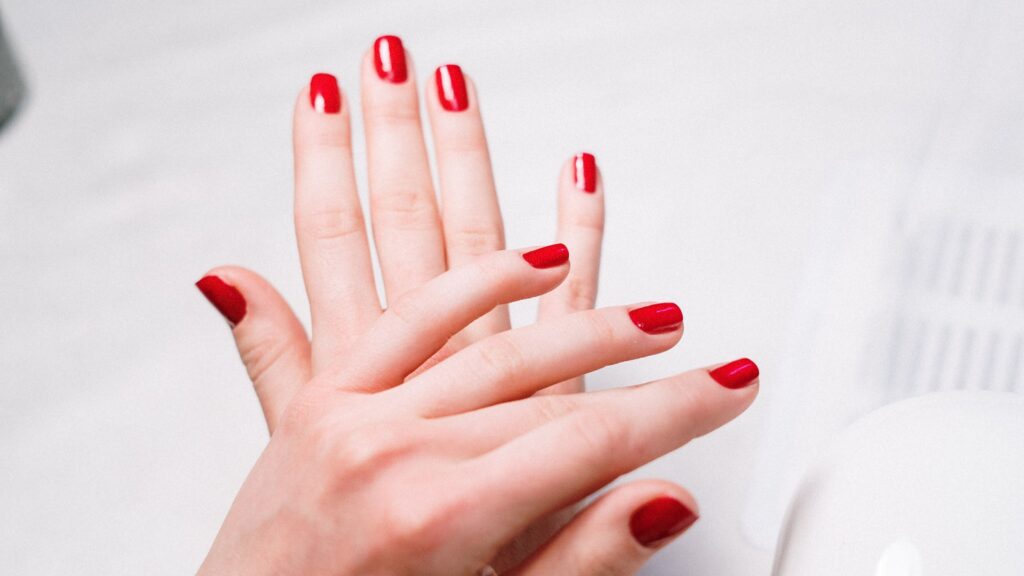
Cure speed doesn’t automatically translate to a better result. Durability comes down to one key factor: matching. The lamp’s wavelength needs to match the gel polish’s photoinitiators. These are the light-sensitive compounds that trigger hardening. A mismatched lamp and gel pairing leads to under-curing. Under-curing is the leading cause of peeling, lifting, and early chipping, regardless of lamp type.
Lamp type alone doesn’t tell the full story here. Many newer gel formulas are engineered specifically for LED curing. They perform best that way. Some professional or older gel systems were built for UV’s wider wavelength spread. These may not fully harden under an LED lamp. Checking the manufacturer’s recommended lamp type matters more than picking based on speed. Builder gel and other thick, structural products are especially sensitive to this mismatch. A lamp that under-cures thin polish may leave a thick layer soft at its base, even when the surface looks fully set.
Why Wattage Doesn’t Tell the Whole Story
Higher wattage sounds like it should mean stronger, faster curing. But wattage mainly reflects how much electricity a lamp draws. It doesn’t reflect the intensity of light hitting your nails. A cheaply made high-wattage lamp can still emit weak, uneven light. A well-designed lower-wattage lamp may cure more evenly and completely. This is one more reason gel-lamp compatibility should guide a buying decision, not the number on the box.
How Salon Lamps Differ From Home-Use Kits
Professional salon lamps are generally built with higher-grade diodes or bulbs. They also offer more consistent light distribution across the curing chamber. Sturdier housing supports daily, all-day use in a salon setting. Budget home-use lamps sometimes cut corners on bulb quality or diode placement. This can leave certain fingers under-cured if they aren’t centered under the strongest part of the light. Uneven curing is one reason at-home gel manicures sometimes chip faster. This happens even when the polish itself is identical to what a salon uses.
UV and LED Lamps: Skin Safety
Both lamp types emit UVA radiation. The idea that LED means no UV exposure doesn’t hold up. A 2025 review pulled together 17 studies on nail lamp exposure. The evidence on cancer risk turned out to be mixed. Some research detected DNA damage in skin cells after UV exposure. Case reports have documented skin cancers in people with years of frequent, heavy nail lamp use. At the same time, several independent mathematical models offered a different picture. One estimated it would take up to 13,000 sessions to produce a single additional cancer case. That suggests the risk from typical, occasional use is low.
The Skin Cancer Foundation echoes this middle-ground conclusion. Even the most intense nail lamps present only a moderate risk. That risk sits well below what tanning beds produce. Their guidance: apply broad-spectrum sunscreen to hands about 20 minutes before curing. Sunscreen won’t fully protect against a rarer, more serious risk, though. Skin cancer can develop under the nail itself in rare cases.
How to Lower Exposure Without Skipping Gel
A few simple habits reduce risk regardless of which lamp is used. Apply broad-spectrum sunscreen to the backs of hands before curing. This is the step most people skip entirely. Space out appointments rather than curing every one to two weeks. Keep in mind that nail curing lamps aren’t held to strict safety-testing standards. Quality and output can vary noticeably between brands as a result. That’s exactly why checking a lamp’s actual performance matters more than trusting its label.
Which Lamp Should You Choose?
LED is the more practical option for frequent at-home gel manicures. It offers faster curing, a bulb that lasts years instead of months, and lower overall light exposure per session. UV still has a place for specific professional gel systems. Older formulas built for its broader wavelength range still need it too. A dual UV/LED lamp is the most flexible purchase for anyone switching between gel brands. It removes the guesswork around compatibility entirely, whether curing at home or restocking a salon station.