
Main Takeaways
- Placebo effects are a well-documented, real part of how any treatment works.
- Research on sham devices has found that devices can produce a stronger placebo response than a placebo pill, likely tied to the physical ritual of using them.
- Framing a treatment as “personalized” has been shown to measurably boost how effective people perceive it to be, even when nothing about the treatment itself changed.
- Dermatologists are candid that many at-home beauty devices have real, if often modest, evidence behind them, and that marketing claims sometimes outpace what’s actually been proven.
- Understanding placebo mechanics doesn’t undermine your routine. It can help you get more value out of the devices you already enjoy using.
Why Ritual and Belief Are Part of How Devices Work
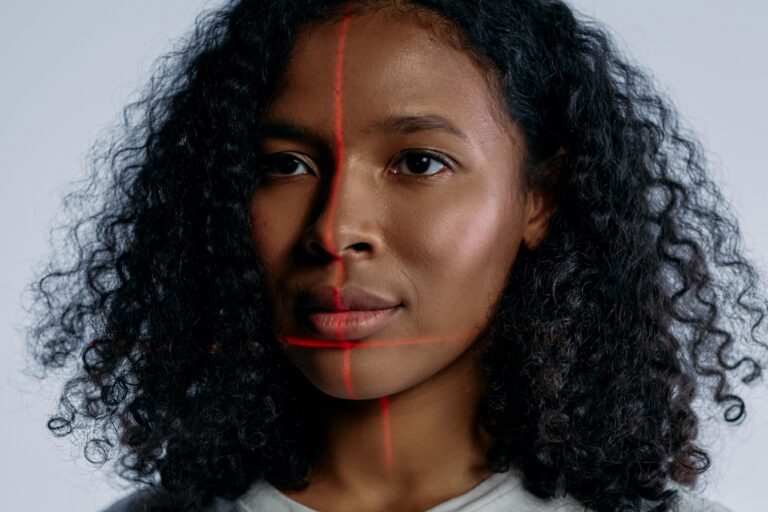
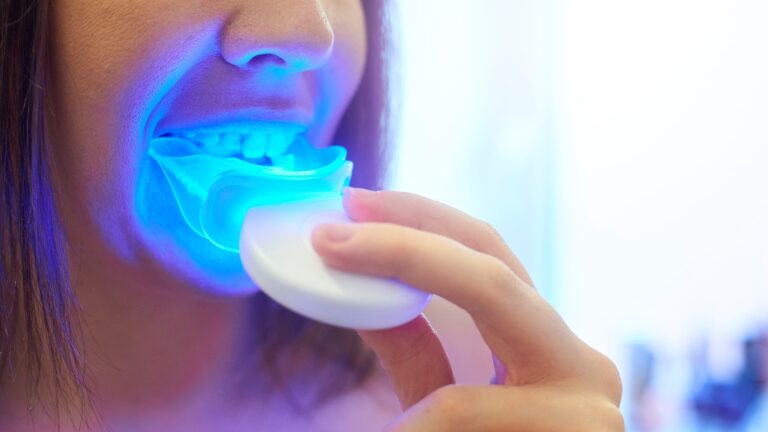
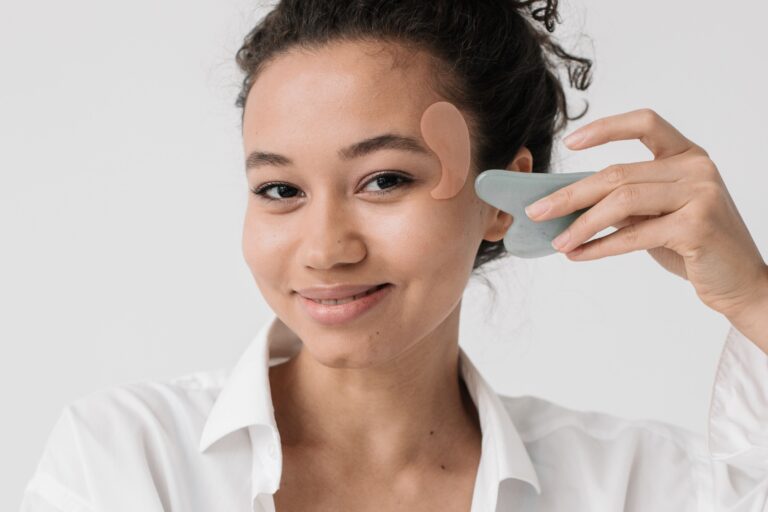
Using a beauty device is rarely just about the wavelength or the current running through it. There’s a ritual to it: the glow of an LED mask, the hum of a microcurrent tool, the ten quiet minutes it carves out of your evening. Research across medicine has consistently found that this kind of ritual and physical sensation shapes how effective a treatment feels, independent of what it’s actually doing beneath the surface. That’s not unique to beauty tech. It shows up everywhere from pain management to dermatology, and understanding it helps explain why so many people report real satisfaction with devices whose clinical evidence is still developing.
What Happens When Researchers Test a Fake Device
One of the more revealing studies on this came from a 2006 clinical trial that compared a sham device against an inert placebo pill for chronic arm pain. Neither treatment did anything physiologically, but the sham device produced a noticeably stronger effect on self-reported pain and symptom severity than the pill did over the course of treatment. It’s a useful window into why devices in general tend to carry a stronger placebo response than something you simply swallow. There’s more going on: a routine, a tactile sensation, a sense of “doing something,” and all of that appears to matter to how a treatment is experienced.
The Power of “Personalized For You”
A 2023 study pushed this further. Researchers gave participants an identical sham device, but told half of them it had been personalized to their genetic profile. Even though nothing about the device changed, the group that believed it was personalized reported nearly double the relief compared to the group told it was generic. It’s easy to see the parallel here. Beauty tech increasingly leans on personalization, AI skin scanners, app-guided routines, and “customized” treatment protocols. That framing may genuinely support better outcomes, not purely as a trick, but because personalization can also improve how consistently people stick with a routine, which is one of the more reliable ways to see real results from any device.
What Dermatologists Say About Beauty Devices
Consultant dermatologist Dr. Jonathan Kentley told the BBC that LED photobiomodulation is a real, studied mechanism, capable of triggering new blood vessel and collagen formation, but that many of the supporting studies have been small, inconsistently designed, and often funded by the manufacturers themselves, making it hard to draw firm conclusions. Dermatologist Dr. Justine Kluk added that no one has run adequate trials confirming at-home masks deliver the same dose as clinical devices, and that the benefits from home use are “probably very modest.” Neither dermatologist dismissed the technology outright. Both were simply candid that consumer expectations often run ahead of the evidence.
Coverage from Fortune echoes this same balance: dermatologists interviewed acknowledged these devices show real promise, while also noting the scientific case for many of them is still being built, and that results can be subtle rather than dramatic. There’s also an often-overlooked distinction: FDA clearance on a device confirms it’s generally safe to use, not that it’s been proven clinically effective at the consumer level.
Why Price and Bold Claims Shape What You Notice
Marketing claims can shape perception just as powerfully as personalization framing does, sometimes even when those claims don’t hold up. LYMA, maker of a premium at-home cold laser, ran ads claiming its device was “100x more effective than LED masks.” The UK’s Advertising Standards Authority investigated and ruled that LYMA had not provided sufficient evidence to substantiate that claim, finding the ad misleading and ordering it to stop running in its original form. That doesn’t mean the device itself doesn’t work. It means the specific comparative claim outpaced the proof behind it. This is a useful case study in how a bold, specific number, whether or not it’s fully substantiated, can shape what someone expects to feel before they’ve even used a product, and expectation is one of the strongest known drivers of perceived effectiveness.
Getting the Most Out of Your Devices, Placebo and All
None of this means placebo effects make your results fake or your routine pointless. It means belief, consistency, and enjoyment are part of the equation, alongside whatever a device is doing at a cellular level. A few ways to use that awareness productively:
- Track progress with consistent, similarly lit photos over weeks, not just how your skin feels right after a session
- Choose devices with published, independent evidence where it exists, and treat brand-funded studies as a helpful data point rather than the full picture
- Let the ritual aspect count for something. A routine you enjoy and stick with consistently is more likely to produce real results than a more “powerful” device you use sporadically
- Stay reasonably skeptical of dramatic comparative claims, especially specific multipliers like “10x” or “100x,” until independent testing backs them up
Conclusion
Belief and biology aren’t competing explanations for why a beauty device works, they tend to work together. The research on sham devices and personalization shows that ritual and expectation are a real, measurable part of how any treatment is experienced, beauty tech included. Dermatologists’ more measured take on LED, microcurrent, and other technologies doesn’t erase their value, it just adds useful context to what’s proven versus what’s still being studied. Understanding this doesn’t mean second-guessing every device you own. It means using that awareness to build a routine you trust, enjoy, and are likely to actually stick with, which might be the most reliable ingredient in the whole process anyway.