Main Takeaways
- A pore vacuum can remove loose blackheads, but it’s less effective on stubborn ones. Stronger suction can cause bruising or irritation instead of clearing your skin.
- The small dots on your nose may be sebaceous filaments, which are normal structures that help oil reach the skin’s surface. Removing them won’t keep them from coming back.
- For recurring blackheads, try a suitable skincare routine first. A vacuum may clear them short-term, but ingredients like salicylic acid and retinoids help manage clogged pores over time.
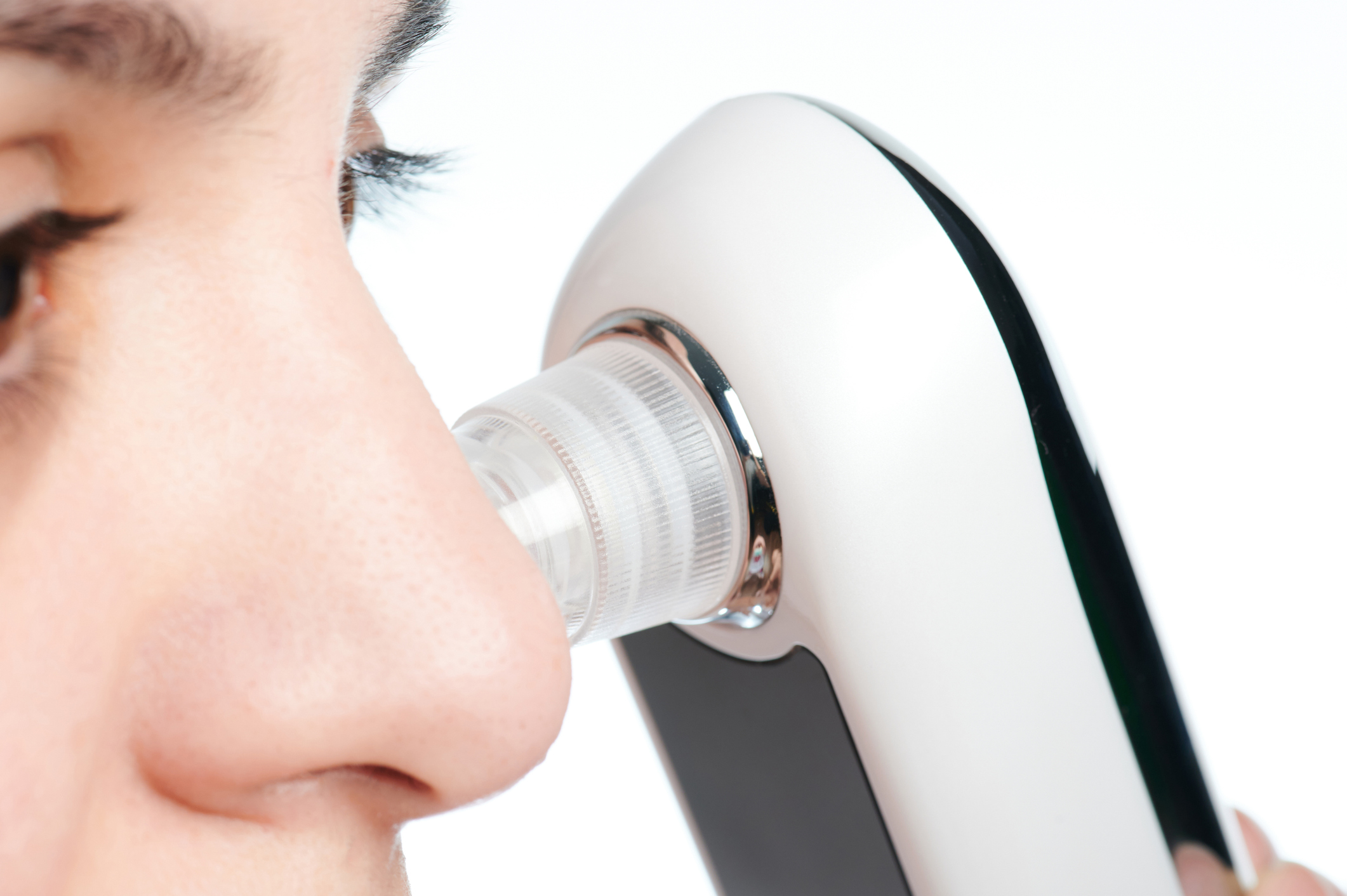
A pore vacuum promises something very satisfying: hold a small nozzle against your skin, move it across the congested area, and watch the contents collect inside. For anyone frustrated by blackheads that remain after cleansing, it sounds like a direct solution.
It can work, within limits. Home devices may lift blackheads that are already loose, but they aren’t dependable extractors for every clogged pore. The suction also pulls on the surrounding skin, creating a trade-off between extraction and irritation.
Before buying one, know what you’re trying to remove. Is it a stubborn blackhead, a normal sebaceous filament, or an inflamed spot? A tool marketed as a “pore cleaner” can blur the line.
How Does a Pore Vacuum Work?
A pore vacuum uses a motor to create suction through a small nozzle. When the tip seals against your skin, negative pressure draws the skin toward the opening and can lift accessible oil, dead cells, and other material. The device doesn’t dissolve a blackhead. Its effect is mechanical, so the result depends partly on how readily the material comes free.
Several types of treatments use suction:
| Device | What it does |
|---|---|
| Basic pore vacuum | Uses suction to lift accessible material from the skin |
| Home microdermabrasion device | Combines suction with an abrasive tip or exfoliating disc |
| Professional suction facial | Includes cleansing, exfoliation, extraction, and other products selected for the treatment |
Are Those Dots Blackheads or Sebaceous Filaments?
Look closely at your nose, and you’ll usually see dots. They aren’t all blocked pores.
Blackheads are a form of acne: an open follicle clogged with oil and dead skin. Sebaceous filaments help carry oil to the surface and are normal in healthy skin. They can be more noticeable in some people, especially around the nose, chin, and forehead.
| Blackheads | Sebaceous filaments | |
|---|---|---|
| Typical appearance | Dark, distinct plugs; may look slightly raised | Smaller, flatter dots, often gray, light brown, or yellowish |
| What’s happening | Oil and dead skin form a blockage | Oil travels through its normal pathway |
| Treatment goal | Clear the blockage and reduce recurrence | Manage visibility without trying to eliminate them |
This also changes how to identify the material collected in a vacuum tip. Oil coming out doesn’t necessarily mean you’ve removed a blackhead. Sebaceous filaments contain material you can extract too, and it returns as the skin keeps producing oil.
Trying to make every pore look empty can become a cycle of repeated extraction with little lasting benefit.
What Results Can You Expect From Pore Vacuum?
Some immediate clearing
A pore vacuum may help with a blackhead that is already loosened. In this detailed article from University of Utah Health, master esthetician Dana Rice describes this as the main benefit home devices show. Stubborn blackheads are less likely to respond.
An area may look clearer after you remove accessible material, but a nozzle full of residue doesn’t show how many blackheads you successfully extracted.
Limited control over recurrence
Extraction removes material that is present at that moment. It doesn’t stop oil production or prevent dead cells from contributing to another blockage. For recurring congestion, try other skincare solutions, such as salicylic acid and retinoids, to help clear pores and prevent further blackheads.
No permanent pore shrinking
Pore size is strongly influenced by genetics and the size of the oil glands. A vacuum doesn’t change those underlying features. Clearing a visible blackhead may improve that pore’s appearance, but the effect is usually not permanent.
Risks and If You Should Skip Home Suction
The nozzle pulls on the skin as well as what it removes. Too much suction can cause bruising, irritation, tiny skin injuries, and visible blood-vessel damage. Some vessel changes may require laser treatment to improve their appearance.
People with thin, sensitive, or rosacea-prone skin should be especially cautious. Schedule a professional assessment for advice to appropriately treat your specific concerns. Home suction is also a poor choice for inflamed acne, broken skin, or fragile, visible vessels. Experts warn against treating irritated areas and using repeated passes to force an extraction.
If you decide to try one:
- Follow the instructions for that exact device.
- Don’t increase power or keep revisiting a spot because nothing came out.
- Stop if you develop pain, bruising, or irritation.
- Seek medical advice for persistent skin changes or significant injury.
What If Blackheads Keep Coming Back?
For persistent blackheads, start with a routine that addresses clogged pores.
Salicylic acid is an option for blackheads and whiteheads because it exfoliates and unclogs pores. Adapalene, a topical retinoid, also treats blackheads and other acne lesions.
Choose treatment according to your skin’s actual needs. Adding several exfoliating products while experimenting with suction can irritate the skin. A pharmacist or dermatologist can help you choose an appropriate approach.
If the dots are sebaceous filaments, choose a gentler approach. Gentle cleansing, moisturizer, and suitable products can help manage their appearance. You don’t need to remove every visible filament to have healthy skin. Stubborn congestion may respond better to a treatment plan or professional extraction.
Should You Buy a Pore Vacuum?
It’s best to treat it as an optional tool to have.
If you have occasional, easily loosened blackheads, you may get some short-term clearing. If you have sensitive skin, persistent congestion, or a nose covered mainly in normal sebaceous filaments, you probably don’t need to consider buying one.
For a first purchase, prioritize topical skincare and get professional advice if blackheads aren’t improving. If you still want a vacuum, choose a suitable device by comparing: instructions, gentle control, and cleanable attachments.
Frequently Asked Questions
Why isn’t my pore vacuum removing anything?
Your blackheads may be too stubborn, or they may not be blackheads. Home devices are most likely to help when blackheads are already loosened.
Does residue in the nozzle mean it removed blackheads?
Not necessarily. It can also collect oil, dead skin, and material from sebaceous filaments. Visible residue alone can’t confirm which structures were treated.
Is a stronger setting better?
Not by default. Excessive suction can bruise or damage skin. Follow the device instructions, and don’t increase power just because a blackhead won’t come off.
Are professional suction treatments the same thing?
No. They may include other treatment steps, and an experienced professional can adjust suction and products to your skin.