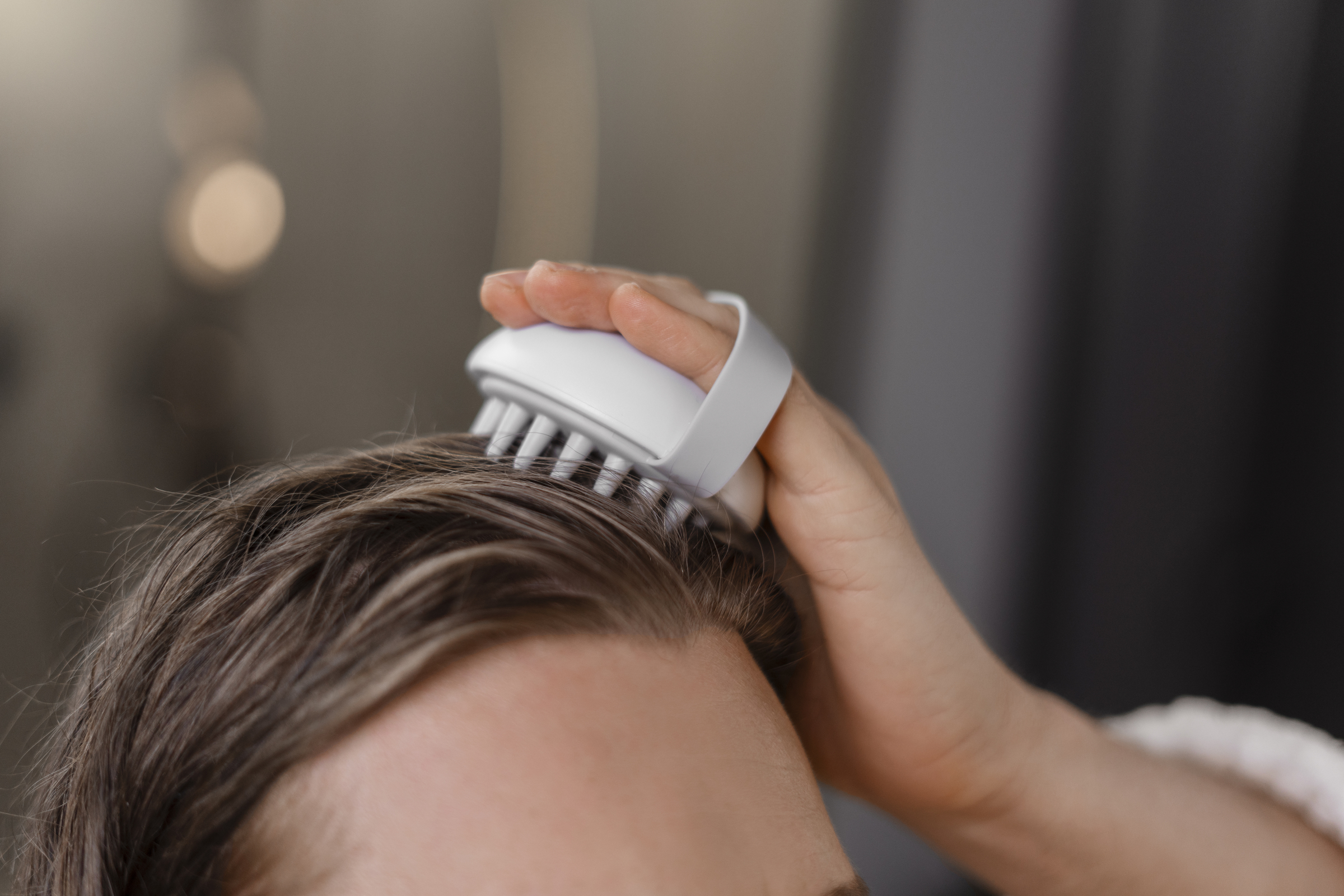
Scalp care is the fastest-growing segment in haircare in 2026, and for the first time, devices are at the center of the conversation. Laser caps, microcurrent massagers, and AI-powered diagnostic tools are landing in beauty routines that, a few years ago, contained nothing but shampoo. The question no one is answering clearly: which of these devices actually have science behind them, and which are just well-packaged wellness marketing?
The Scalp Is Skin — and That Changes Everything
The shift redefining this category has a name: skinification. It means treating the scalp with the same ingredient logic and layered routine that consumers have spent the last decade applying to their faces. Makes sense when you think about it, because the scalp is skin, just with a higher density of hair follicles and sebaceous glands. Its barrier function, microbiome balance, and inflammation levels all directly shape the health of your hair.
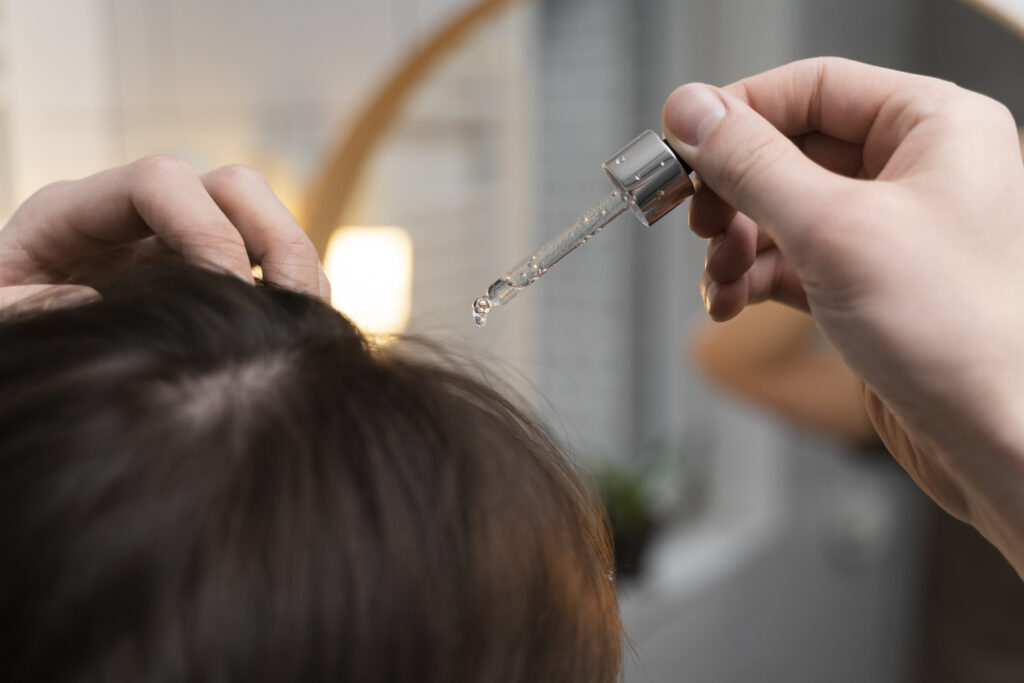
In product terms, this has brought scalp serums with niacinamide, ceramides, peptides, and rosemary extract into mainstream beauty retail, which are the same actives you’d find in a good facial skincare routine. BeautyMatter named scalp biology and personalised diagnostics among the defining forces reshaping haircare in 2026, and Cosmoprof Miami 2026 put scalp health in its top five beauty trends of the year.
But serums are only part of the picture. The head spa trend, originating in Korea and Japan and now gone global, has created a whole new appetite for at-home scalp devices. That’s where things get more complicated.
The Three Device Categories
Before getting into the evidence, it helps to know what you’re actually looking at. Scalp care devices fall into three categories, each working differently and backed by very different levels of science:
| Device Type | How It Works | Primary Claim | Evidence Level |
|---|---|---|---|
| LLLT/Laser caps | Low-level laser or LED light stimulates hair follicle activity at a cellular level | Hair regrowth; reduced shedding | ✅ Strongest — multiple clinical trials, FDA clearance available |
| Microcurrent/EMS tools | Gentle electrical pulses improve scalp circulation and energy production in follicle cells | Improved blood flow; follicle activation | ⚠️ Plausible in theory; limited real-world scalp data |
| Scalp massagers | Mechanical vibration or manual pressure on the scalp | Circulation, relaxation, hair regrowth | ❌ Weakest — hair regrowth claims go well beyond what the data shows |
LLLT and Laser Caps: The Real Deal (With Caveats)
Of all the scalp devices out there, laser caps have the most solid science behind them. Patients using FDA-cleared LLLT devices consistently show significantly more hair density than those using sham devices, with both men and women responding well. The technology has been clinically validated enough that it sits alongside microneedling and growth factor treatments as one of the better-supported at-home options for hair loss.
Here’s how it works: the laser light, typically at 650–678 nm, is absorbed by the energy centres of hair follicle cells, essentially jumpstarting their activity. Follicles that were slowing down get a metabolic boost, which supports hair growth. Think of it as a jump-start for dormant follicles, rather than growing brand new ones from scratch.
That said, a few things matter a lot when you’re looking at a specific product:
- FDA clearance is the most important signal. Many laser cap brands on the market have not been cleared. They’re trading on the reputation of devices that have. Always check before buying.
- Laser diodes outperform LED-only devices. Products with actual laser diodes show stronger results than those using LEDs alone, even at the same wavelength.
- Results take time — a lot of it. In clinical studies, meaningful improvements showed up after 16 to 26 weeks of consistent use, several times a week.
- The evidence is specifically for pattern hair loss. If your hair thinning has a different cause — stress, hormones, nutritional deficiency — the science may not apply to your situation.
Microcurrent and EMS Scalp Tools: Promising, but Not Proven
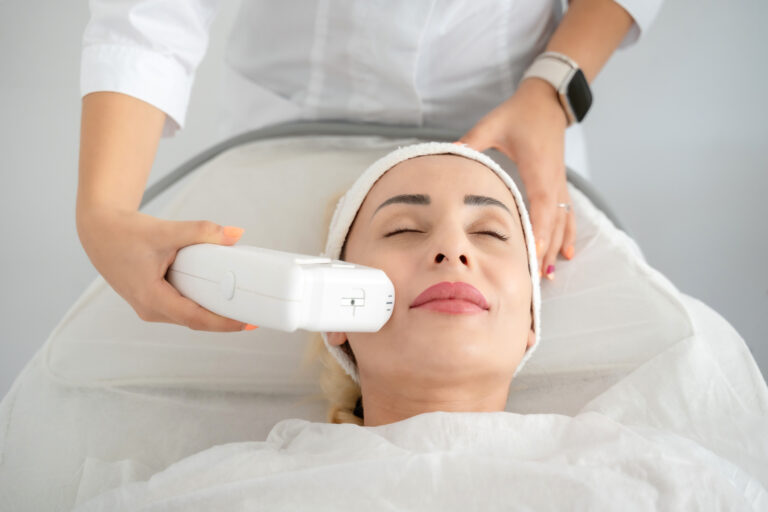
Microcurrent stimulation has a solid track record in facial treatments. It boosts cellular energy, improves microcirculation, and supports tissue repair. The idea that the same principles could benefit the scalp is reasonable: better blood flow to hair follicles means more oxygen and nutrients reaching the cells that actually grow your hair.
The honest answer, though, is that the scalp-specific evidence is still thin. Most microcurrent tools are sold as wellness devices rather than medical ones, which is a deliberate choice that means they don’t need FDA clearance and aren’t required to publish clinical evidence. That’s not automatically a dealbreaker, but it does mean you’re largely taking the brand’s word for it.
Where these tools do deliver: relaxation, temporary circulation improvement, and better absorption of serums and tonics applied right after. These are real, useful benefits, just not the dramatic hair regrowth some brands imply. If you’re already using a good scalp serum, a microcurrent tool may genuinely help it work harder. But treat it as a support tool, not a standalone solution.
Scalp Massagers: Great for Wellness, Overhyped for Hair Growth
Scalp massagers are everywhere, and the marketing around them is some of the most exaggerated in the device space. The viral claims of dramatic hair regrowth are not what the science shows.
What research has found: consistent scalp massage over several months can increase hair shaft thickness, meaning individual hairs get a bit fuller. That’s a genuinely useful cosmetic outcome. But the number of hairs growing? That doesn’t change significantly. Thicker hair and more hair are two very different things, and most massager marketing blurs that line.
What scalp massagers are legitimately good for:
- Loosening product buildup before washing
- Improving absorption of scalp serums and oils applied at the same time
- Reducing scalp tension — a real benefit if stress-related shedding (telogen effluvium) is a factor
- General relaxation — which, in a category where stress is a documented hair loss trigger, is not nothing
Think of a scalp massager as a nice addition to your routine but not the centrepiece of it.
What to Look for Before Buying
Across all three categories, ask these five questions:
- Does it have FDA 510(k) clearance? For laser caps, this is the single most important thing to check. For massagers and microcurrent tools sold as wellness devices, clearance isn’t required, but its absence means there’s no external validation of any efficacy claims.
- What type of hair loss was it tested on? Most LLLT evidence is specific to androgenetic alopecia. Other causes of thinning may respond differently or not at all.
- Is there actual published research? “Clinically tested” on a product page is not the same as a peer-reviewed study. Ask for the study, and if there isn’t one, that tells you something.
- What are the wavelength and diode specs? For laser caps specifically: look for 650–678 nm and laser diodes (not just LEDs).
- What’s a realistic timeline? The minimum for meaningful LLLT results in clinical studies is 16 weeks. Any brand promising visible results in two to four weeks is not being straight with you.
Conclusion
Scalp care devices in 2026 range from science-backed tools to wellness gadgets riding the skinification wave with marketing that outpaces the evidence. Laser caps with FDA clearance are the real deal for pattern hair loss if you use them consistently and give them enough time. Microcurrent tools are plausible and useful as part of a broader routine, but the evidence isn’t there yet to make big claims. And scalp massagers are a great wellness tool, just don’t expect them to regrow hair. The same common sense that applies to facial skincare applies here: check the evidence, check the clearance, and be realistic about what any device can do.
Sources
- “A Systematic Review and Meta-analysis of Randomized Controlled Trials of FDA-Approved Home-use Low-Level Laser Therapy Devices for Pattern Hair Loss.” https://pmc.ncbi.nlm.nih.gov/articles/PMC8675345/
- “Technological Advances in Anti-hair Loss and Hair Regrowth Cosmeceuticals.” https://pmc.ncbi.nlm.nih.gov/articles/PMC12594698/
- “Can Viral Hair Growth Gadgets Really Combat Hair Loss? An Expert Weighs In.” https://www.theweek.in/news/health/2026/06/27/can-viral-hair-growth-gadgets-really-combat-hair-loss-an-expert-weighs-in.amp.html
- “Korean Scalp Care Devices: The Head Spa Trend Taking Over Seoul.” https://koreandevicelab.com/korean-scalp-care-devices-head-spa-trend
- “The Haircare Trends Set to Define 2026.” https://beautymatter.com/articles/the-haircare-trends-set-to-define-2026
- “Expect Skinification to Hit Mass Retail Aisles in 2026.” https://www.modernretail.co/operations/expect-skinification-to-hit-mass-retail-aisles-in-2026/
- “Cosmoprof Miami 2026: Top 5 Beauty Trends.” https://nielseniq.com/global/en/insights/commentary/2026/cosmoprof-miami-2026-top-5-beauty-trends/
- “Trending in 2026: Face-Grade Hair & Body Care.” https://www.pravadaprivatelabel.com/blogs/news/trending-in-2026-face-grade-hair-body-care