Whether a wet-to-dry straightener damages your hair depends largely on its design and how you use it. Newer tools such as the Dyson Airstrait and ghd Duet Style control airflow and heat, letting you dry and straighten at the same time, with manufacturer testing showing reduced thermal stress under their specified styling conditions.
Their main advantage is replacing blow-drying followed by high-temperature flat ironing with a single process. How much that helps depends on whether the tool delivers the finish you want without repeated passes or using another straightener after drying.
This article explains why straightening wet hair has a reputation for damage, how newer devices handle it differently, whether they reduce heat exposure, and whether switching to a wet-to-dry straightener can improve your routine.
Main Takeaways
- Modern wet-to-dry straighteners offer a gentler route to straight hair by combining controlled drying and styling. Their wet-styling modes are not the same as using a conventional flat iron on damp strands.
- Their biggest benefit comes from replacing an extra hot-plate straightening step. Additional heat straightening adds heat exposure back into the routine.
- Your hair condition, preparation, and your desired finish affect how well these wet-to-dry tools work for you.
Why Straightening Wet Hair Can Cause Damage
The concern comes from applying intense heat directly to hair that still contains water. Rapid heating can turn that water into vapor, producing cavities inside the strand and leaving it more brittle. This type of injury is known as bubble hair. Hair can also develop cuticle cracks and other structural changes during thermal styling. Additional damage occurs when you heat wet strands rapidly with straightening irons.
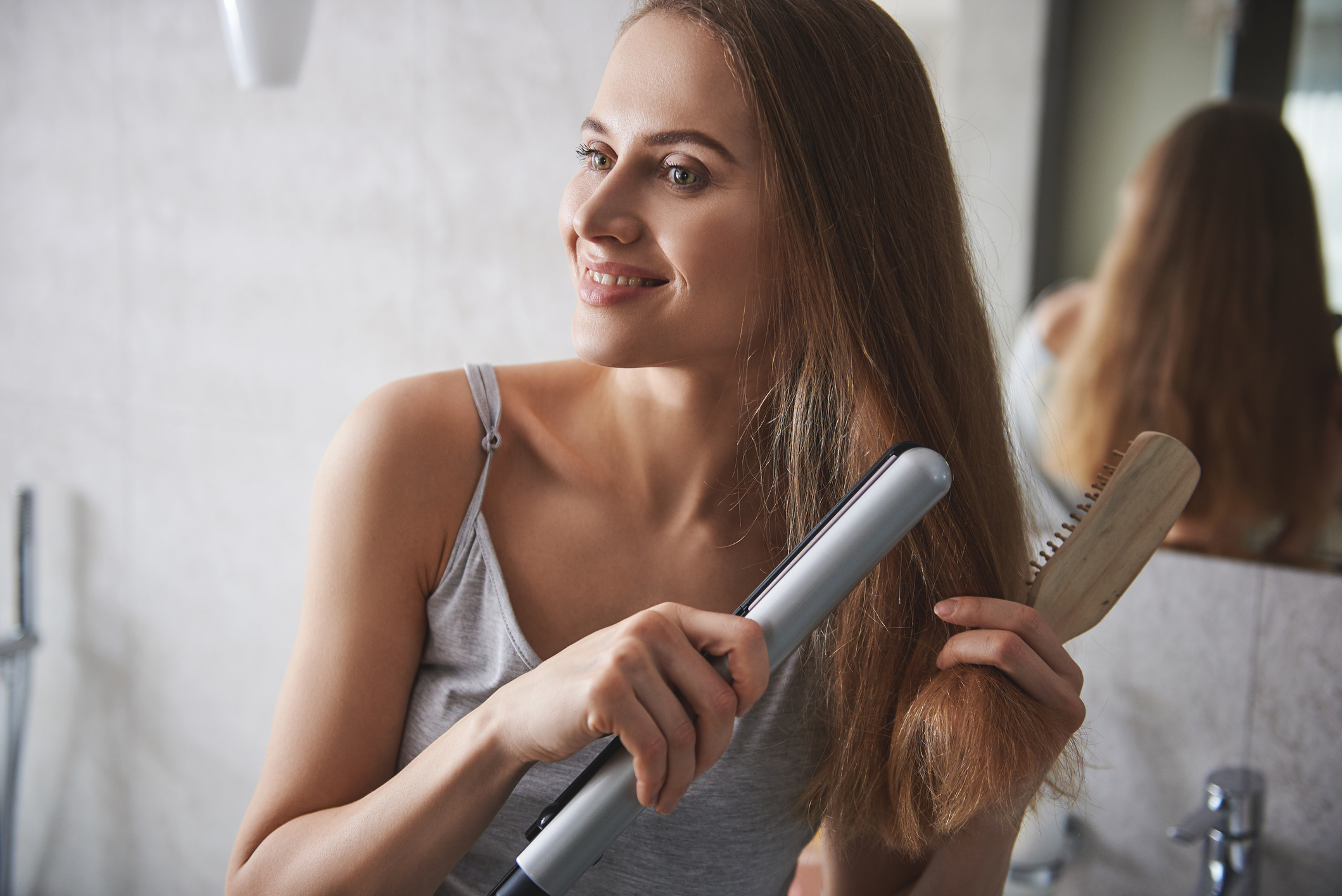
That is why you should use conventional flat irons on fully dry hair. Their hot plates are meant to shape dry strands. Don’t use them to remove the water left after washing. Wet-to-dry straighteners do a different job: removing moisture while guiding hair into a straighter shape. How they deliver heat is central to their performance.
How Newer Wet-to-Dry Straighteners Work
This hair care category includes different designs. Some straighten with heated airflow; others combine air with temperature-controlled plates.
| Feature | Dyson Airstrait | ghd Duet Style |
|---|---|---|
| Wet-to-dry operation | Directed, heated airflow without hot plates | Airflow combined with heated styling plates |
| Finishing options | Dry mode for refreshing and touch-ups | Shine Shot mode can style dry hair |
| Starting point | Towel-dried hair, with roots pre-dried | Towel-dried hair divided into sections |
(These specifications come from the manufacturers’ US product information.)
Dyson Airstrait: Drying and Straightening With Air
The Dyson Airstrait directs heated air down the hair while keeping it aligned. Temperature sensors regulate the airflow, and there are no hot styling plates. Its “no heat damage” claim applies to wet-to-dry mode, and Dyson compares it to hot-plate straighteners running at high heat. The key difference is that it removes that high-temperature plate contact from the styling process.
Dyson describes the finish as naturally straight, smooth, and voluminous. That may suit you if you want a polished everyday result without pressing the hair very flat.
ghd Duet Style: Airflow With Controlled Plate Heat
The ghd Duet Style uses airflow and heated plates together in its wet-to-style mode. For this mode, ghd reports no detected thermal damage after 100 cycles of 4 passes, compared with naturally dried hair. Once the hair is dry, an optional Shine Shot mode switches off the airflow and raises the plates to 365°F/185°C for a sleeker finish. Use this setting only on fully dry hair.
The two stages serve different needs. Wet-to-style mode dries and shapes; Shine Shot adds conventional plate styling afterward.
Is It Less Damaging Than Using a Hair Dryer and Flat Iron?
It can be, especially if it gives you the finish you want without a separate straightener. The main potential benefit is reducing high-temperature contact: drying and shaping happen together, removing an additional heated styling step from your routine.
Your current routine matters, too. Research on hair-dryer temperature and distance found that hotter, closer drying conditions increase surface damage. Temperature, duration, and technique shape how much heat you’re exposed to.
Replacing Both Drying and Straightening
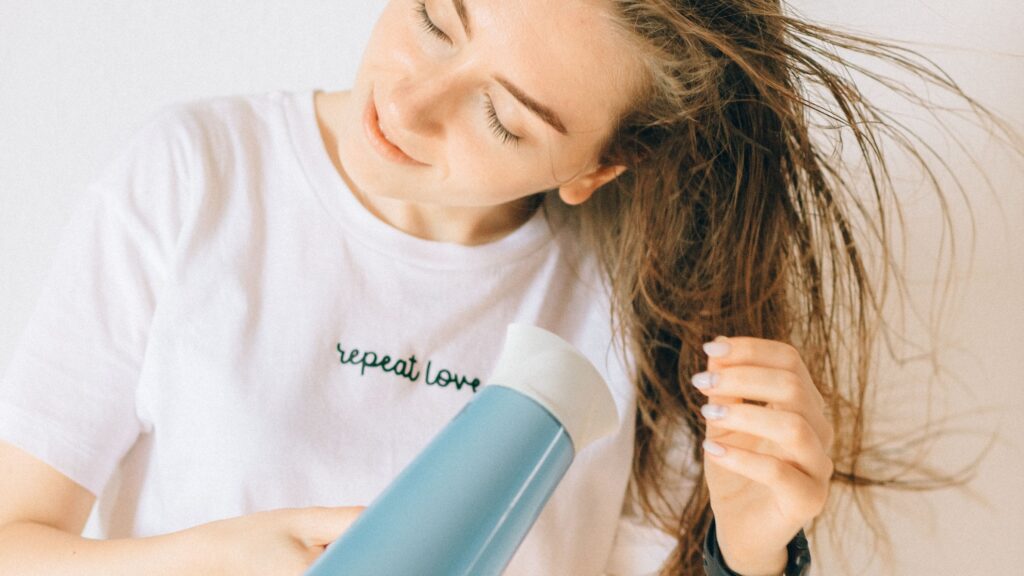
If a wet-to-dry tool leaves your hair smooth and ready to wear, it can replace both appliances. This is the strongest reason to switch, especially if you usually straighten every section of your hair with a straightener after blow-drying.
The finishing look needs to suit your preferences. If you are happy with a softer, naturally straight blowout, a wet-to-dry straightener could be your answer.
If You Still Need a Flat Iron
If you prefer a more sleek, pressed look, you may need another styling step. A wet-to-dry straightener’s advantage shrinks if you still need the same flat-ironing session afterward. You have changed how you dry and initially shape your hair, but still need the high-temperature styling step afterward.
It may still help if the first stage leaves your hair straight enough that you need fewer passes or a lower temperature setting on the flat iron afterward. However, if you use the same temperature and make about the same number of passes across your whole head, there’s less reason to buy a wet-to-dry straightener.
If Straightening Still Takes A Lot of Work
A wet-to-dry straightener won’t necessarily simplify styling if you have to work over the same sections repeatedly. Long sessions and excessive pulling can add stress, particularly to fragile hair. It’s always better to limit heat and handle hair gently.
If the result still requires considerable reworking, the device may not suit you. Choose the option that styles your hair with less repeated heat and handling.
Evaluate Hair Condition Before You Buy
Bleached, chemically processed, or repeatedly heat-styled hair needs a more cautious evaluation before you buy. Bleaching and heat treatment change the fibers’ mechanical properties. A new device cannot reverse existing structural damage.
For fragile hair, reducing unnecessary touch-ups and handling can be as important as choosing a lower-heat method. Persistent breakage needs to be treated first. Texture and density also affect how much work it takes. Thick or tightly curled hair may require careful sectioning and more time to reach the desired finish. Fine hair may need less work to straighten, but excessive heat and tension can still stress it. So evaluate your hair condition, then decide how much time and energy you want to spend drying and straightening.
Your current drying technique is also important. Our post on air-drying versus blow-drying explores the balance between moisture, heat, and frizz.
Conclusion
Wet-to-dry straighteners aren’t automatically damaging because they start on damp hair. They control how heat and airflow reach the strands, allowing drying and straightening to happen together.
Their clearest advantage lies in reducing the need for high-temperature flat ironing. If it leaves your hair ready to wear, it removes a heated step from your routine. If you still need your usual flat-ironing session afterward, that advantage shrinks, and you may not need a wet-to-dry device.
A wet-to-dry straightener is therefore a reasonable option when it can achieve your preferred finish with less repeated heat and handling.
Q&As
Can I Use a Regular Straightener on Damp Hair?
Use conventional flat irons on fully dry hair. Their intense plate heat can rapidly vaporize moisture within a damp strand, causing internal damage and making it more prone to breakage. Use a wet-styling mode only when the device is specifically designed and instructed for that use.
Do You Need Heat Protectant With a Wet-to-Dry Straightener?
Heat protection is still recommended when using heated styling tools. Choose a product for damp hair and follow the device’s directions.
Can I Use a Wet-to-Dry Straightener Every Day?
Daily use means more frequent heat exposure and handling, even with temperature-controlled tools. Avoid unnecessary touch-ups, use the appropriate setting, and reduce styling if you notice increasing dryness or breakage.
Is Steam a Sign That Your Hair Is Burning?
Not necessarily. Moisture leaves the hair as it dries, so visible vapor alone can’t tell you whether damage is occurring. Make sure you’re using the right mode and preparation method. Stop if you notice a scorching smell, scalp discomfort, or the tool catching your hair.